
Last updated October 16, 2026
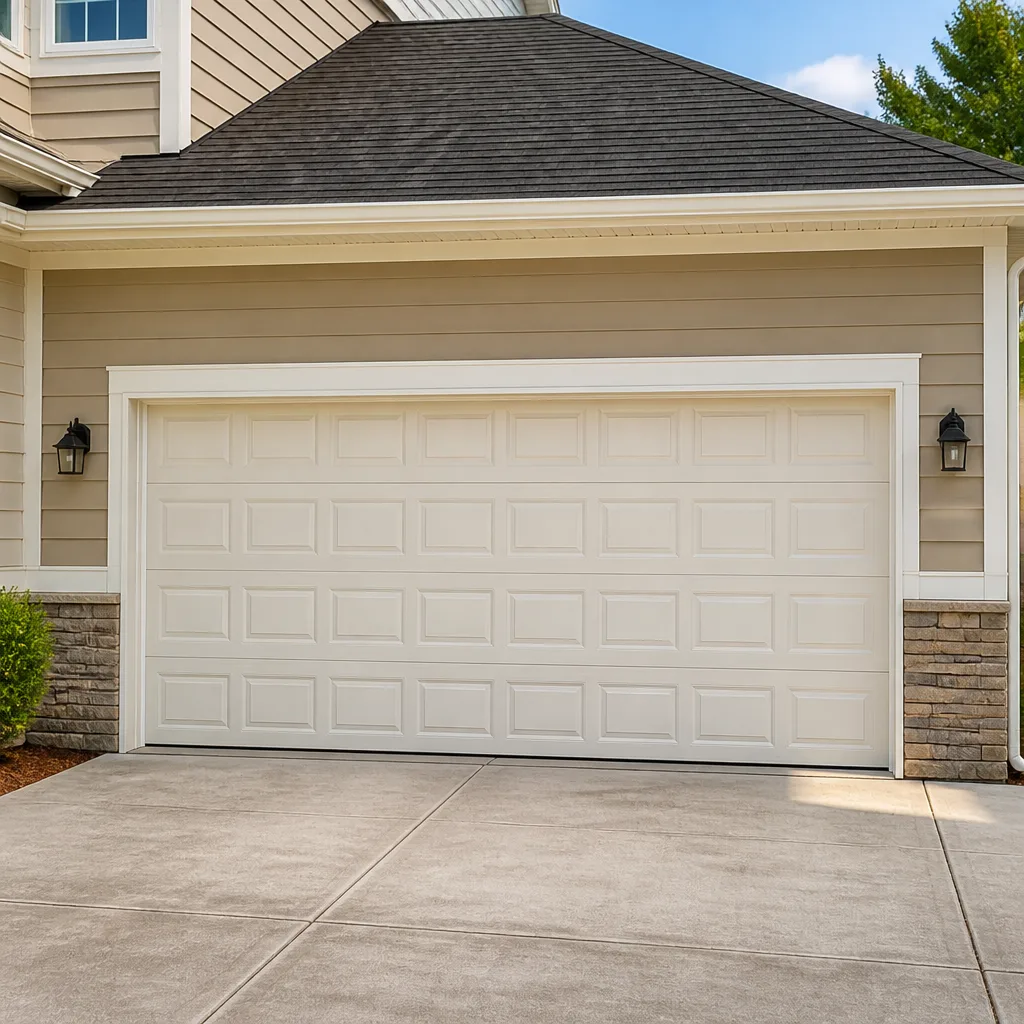 Raised-panel steel
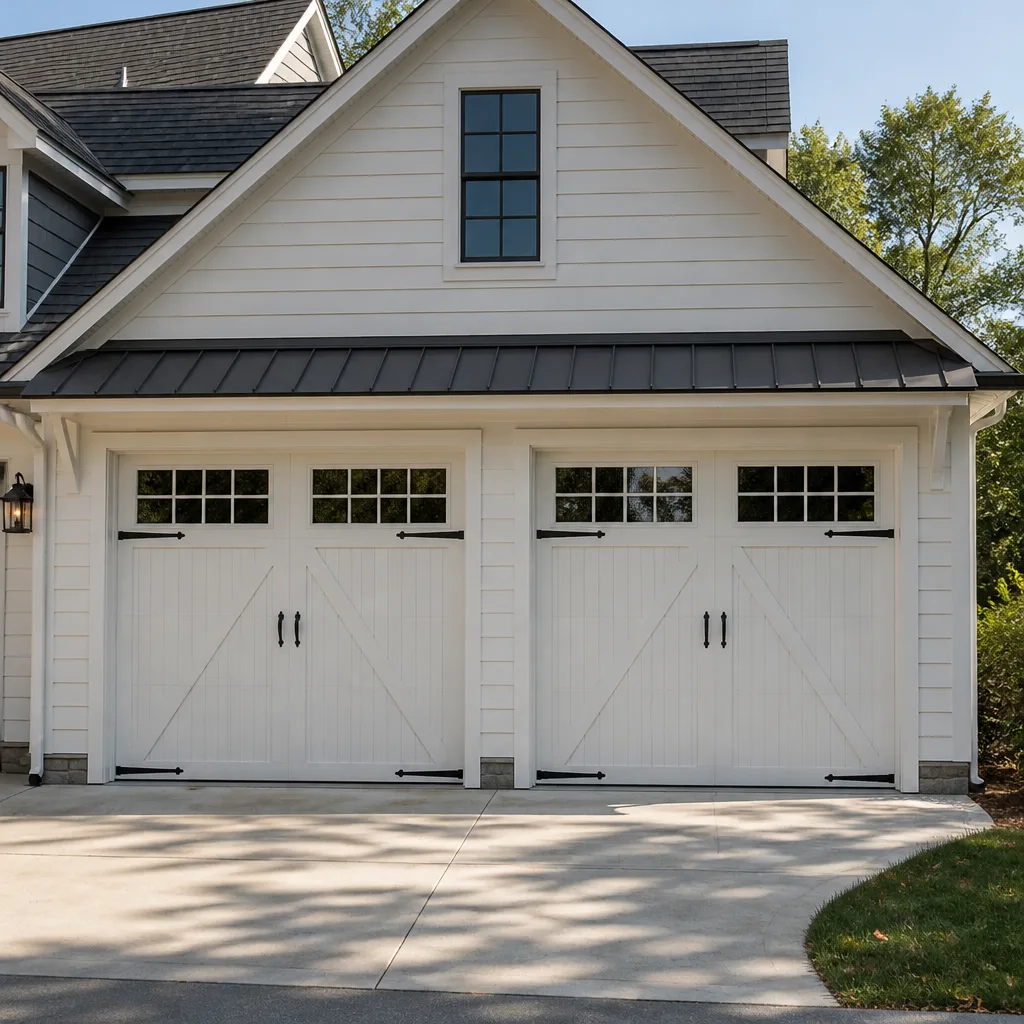 Carriage house
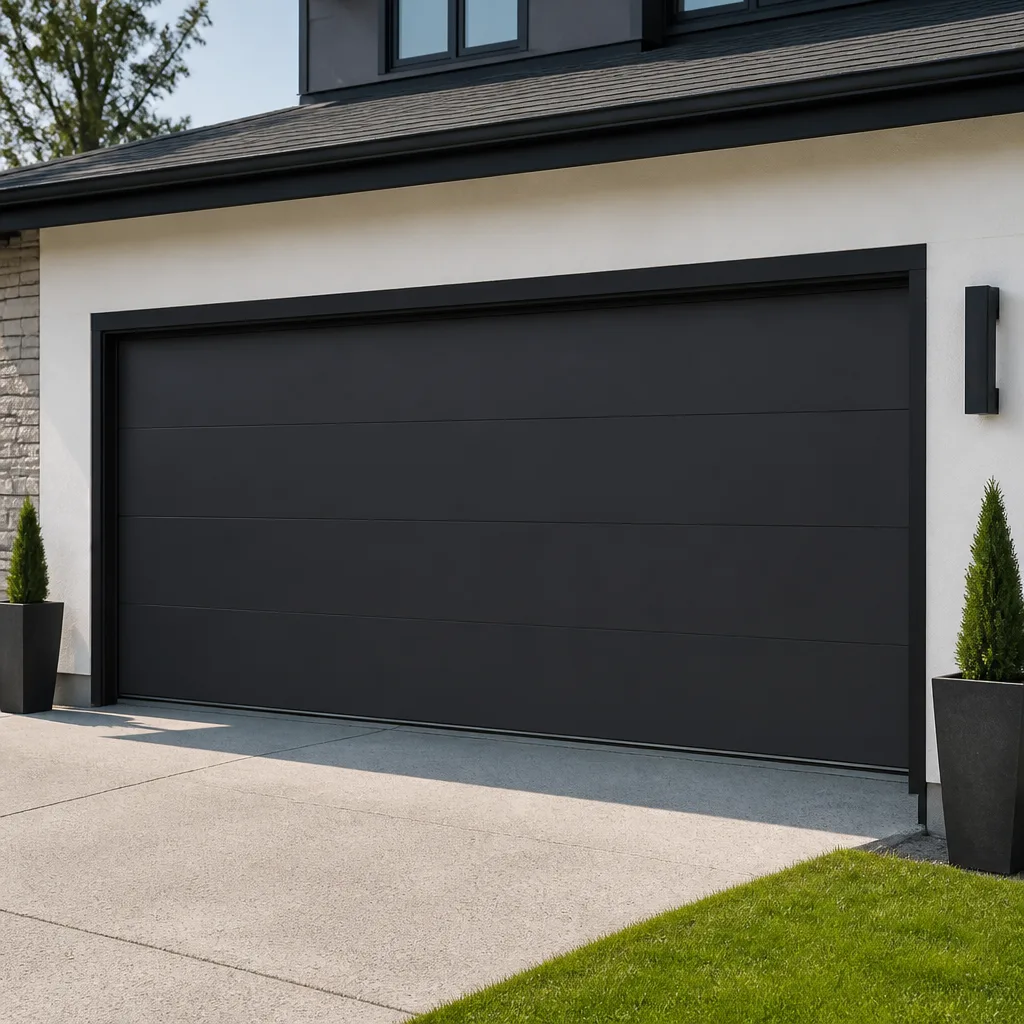 Modern flush
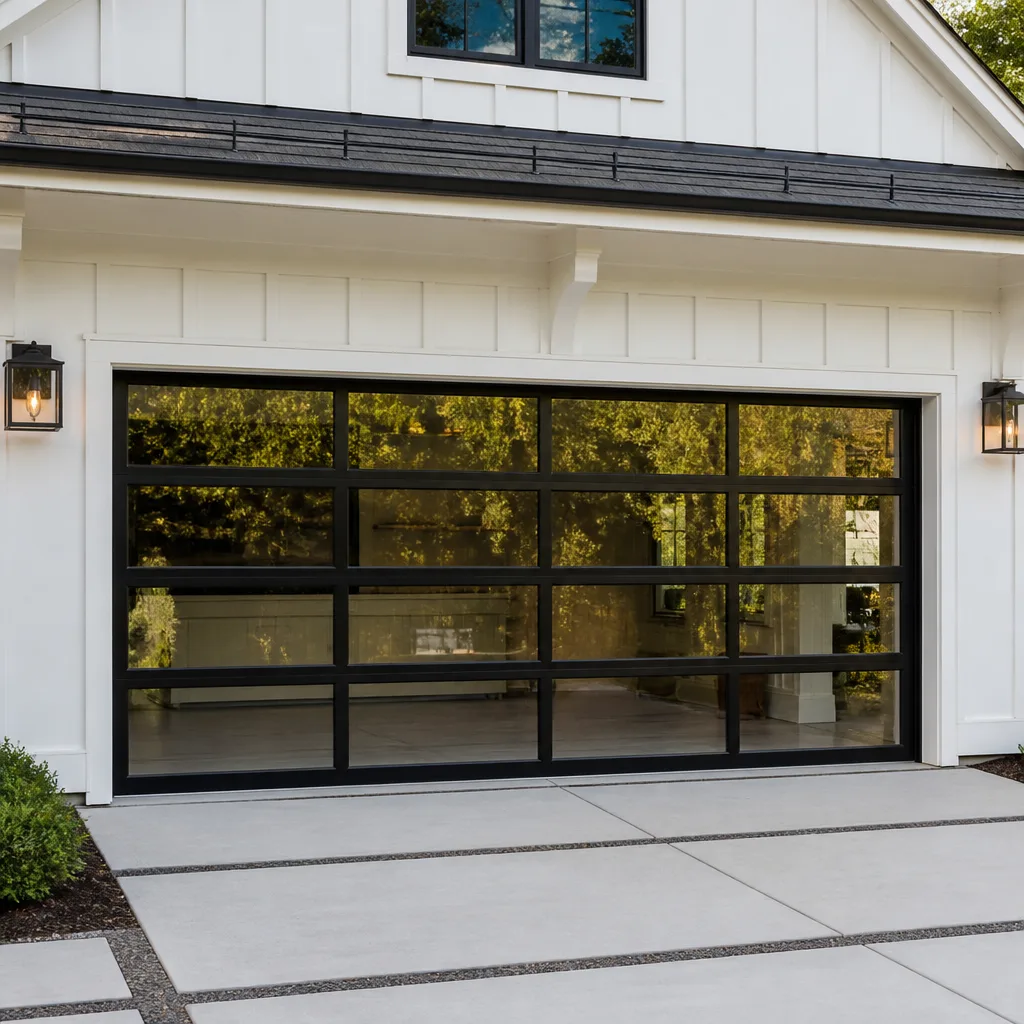 Full-view glass
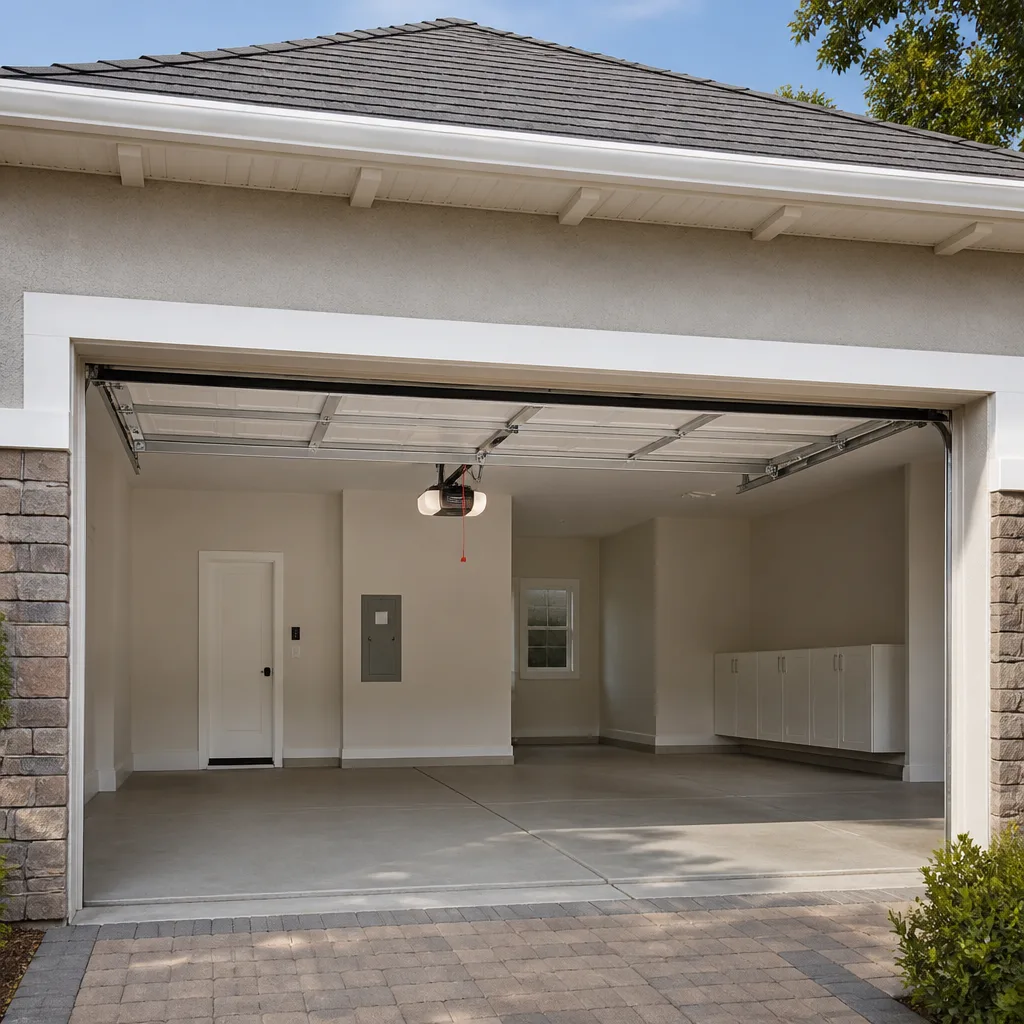 LiftMaster openers
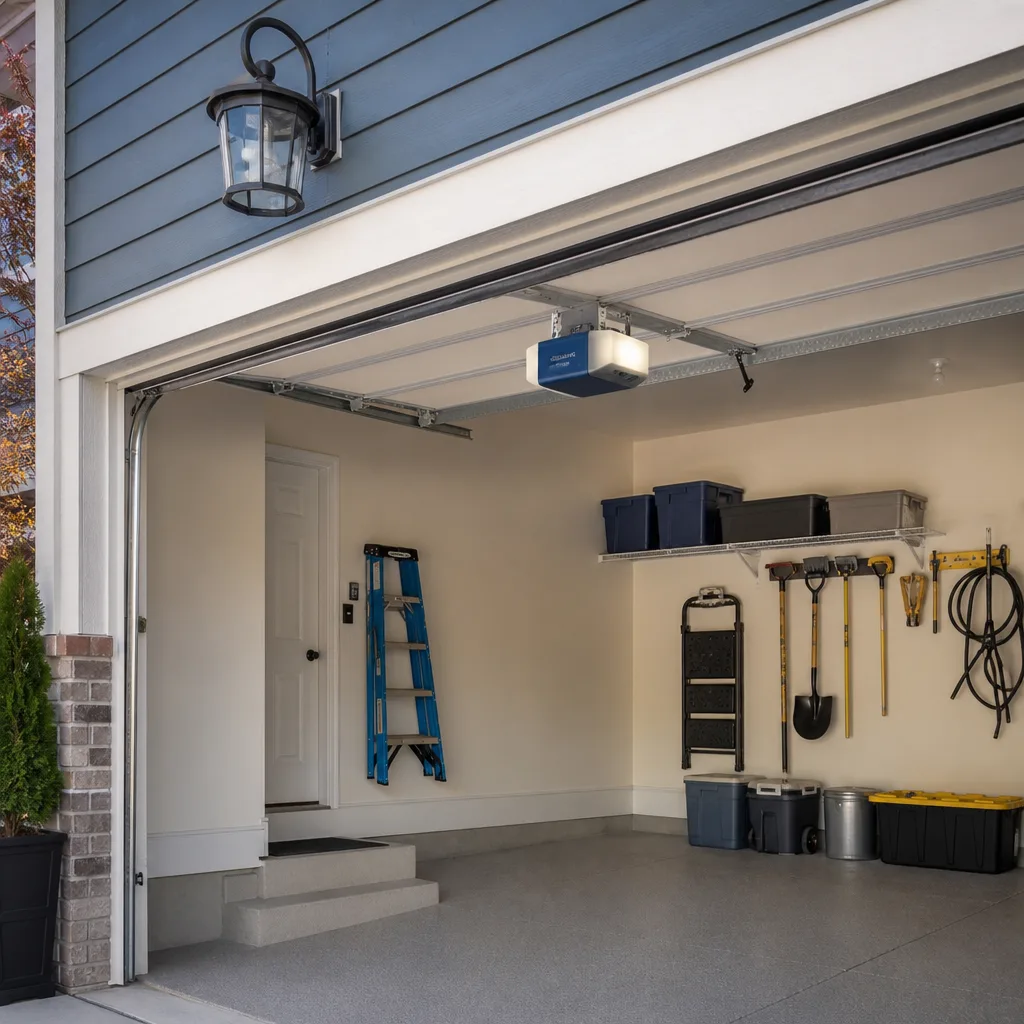 Chamberlain openers
Full 25-point door and opener safety check with every visit - springs, cables, rollers, tracks, and your LiftMaster or Chamberlain opener included
You get a price before we start. It does not change when the truck arrives.
Get your free estimateSeasonal Garage Door Care for Atlanta: Year-Round Homeowner’s Guide
Atlanta’s summer heat doesn’t just make the garage hot – it causes metal tracks to expand enough to shift alignment. A door that operated perfectly in April can start grinding by July without a single part failing. Most seasonal garage door guides treat the year like a balanced four-season calendar, unlike our Complete Guide to Garage Door in Atlanta. That’s not how Atlanta works. This guide walks you through what our technicians see in Atlanta garages across the city’s actual climate pattern: a mild spring, a brutal summer, a critical fall, and a damp, sneaky winter. You’ll learn when to inspect, what to listen for, and where most homeowners waste money on preventable repairs.
Quick Answer
In Atlanta, the most important seasonal garage door maintenance happens twice a year: once before the summer heat peaks (late May) and once before the first cold snap (early November). A simple pre-season inspection of springs, tracks, and seals – whether done yourself or through a maintenance visit – typically costs $75 to $150 and prevents the two most common emergency calls we respond to: spring failures and opener logic board burnouts. If you only do one thing, check your torsion spring tension and track alignment before July, because Atlanta’s heat expansion causes more mid-summer door problems than any single broken part.
Styles & brands we work with
Table of Contents
- Why Atlanta’s Climate Doesn’t Fit a Generic Seasonal Schedule
- Spring (March-May): Post-Winter Inspection Checklist
- Summer (June-August): Heat, Track Expansion, and Opener Logic Boards
- Fall (September-November): The Single Most Important Maintenance Window
- Winter (December-February): Cold Snaps, Thickened Lubricant, and Seals
- The Annual Cost Model: What Maintenance Prevents
- What to Do Yourself vs. What to Leave to a Technician
- Common Mistakes to Avoid
- When to Call a Professional
- Frequently Asked Questions
Why Atlanta’s Climate Doesn’t Fit a Generic Seasonal Schedule
Most seasonal maintenance guides are written for places with four equal seasons. Atlanta doesn’t work that way. We have a short, mild spring that runs roughly March through mid-May, then a long hot stretch from June through September where the garage can hit 110°F or more. Fall is brief, and winter shows up in short, sharp bursts rather than a sustained freeze.
What this means for your garage door is specific. The metal in your tracks and the coils in your torsion spring – the heavy coil mounted above the door that handles most of the lifting weight – expand and contract with temperature swings. In a city where a March day can start at 38°F and end at 72°F, those swings add up. Our technicians at Bramwell Garage Doors Atlanta home service area consistently see two clusters of emergency calls each year: July, when heat-expanded tracks cause doors to bind mid-cycle, and late November, when the first real cold snap thickens lubricant and exposes weak springs that were coasting all summer.
The other Atlanta-specific factor is humidity. Even in winter, when temperatures drop below freezing overnight, daytime highs often climb back into the 50s. That creates condensation on metal components, especially the bottom seal and the hinges. Condensation plus cold equals rust, and rust is what eventually eats through a bottom seal or seizes a roller bearing. A door that spends December through February in a damp, unheated garage in Buckhead or Decatur is facing conditions a door in a dry, cold climate never sees.
Spring (March-May): Post-Winter Inspection Checklist
Spring in Atlanta is when you want to assess what winter did to your door. Georgia’s brief freezing periods – even just a handful of nights below 32°F – can cause metal components to contract, which puts extra strain on springs and fasteners. When the weather warms back up, things shift again. March is the month to catch small problems before summer heat turns them into big ones.
Here’s the spring checklist we recommend, and it works whether you’re in Roswell, Sandy Springs, or anywhere else around the metro:
- Inspect the torsion spring – Look for gaps in the coil or rust forming at the mounting points. If the spring has visible separation in the middle, that’s the beginning of a break. Most torsion spring replacements in Atlanta run $150 to $280, parts and labor included, so catching a weakening spring early is cheaper than an emergency call when it snaps at 7:30 on a Monday morning.
- Check the bottom seal – Sit on the garage floor in daylight with the door closed and look for light coming under the door. After winter, the rubber U-shaped seal under the door often has small cracks from cold contraction. A broken seal lets in water, bugs, and hot air. Replacement seals are inexpensive; the labor is what you’re paying for if you hire it out.
- Test the balance – Pull the red emergency release cord while the door is closed, then manually lift the door halfway. It should stay put. If it drops, the springs are losing tension and the opener is working harder than it should. That extra strain is what burns out opener motors.
- Listen to the rollers – Run the door open and closed while standing inside the garage. You’re listening for squeaks, grinding, or rattling. Squeaks mean the rollers or hinges need lubrication. Grinding suggests the track is misaligned or a roller bearing is failing.
- Wipe down the tracks – Use a rag to remove dirt and grime from the vertical tracks on both sides. Don’t use grease here; it attracts Atlanta’s summer pollen and red dust. A clean, dry track is what you want.
If this sounds like more than you want to tackle on a Saturday, that’s fair-our DIY vs Professional guide can help you decide. A seasonal maintenance visit from a qualified technician typically runs $75 to $150 in Atlanta and covers everything on this list in about 45 minutes.
Summer (June-August): Heat, Track Expansion, and Opener Logic Boards
Atlanta’s summer heat is the leading cause of mid-season garage door complaints we hear. The mechanics are simpler than most homeowners expect. Steel track rails expand when the garage heats up past 90°F, which it does most days from June through August. That expansion nudges the track slightly out of alignment. A door that ran quietly in May starts grinding by mid-July because the rollers are now scraping against a track that shifted by a fraction of an inch.
The more surprising summer problem is the opener logic board. Modern openers from brands like Garage Door Repair in Atlanta work on equipment built by LiftMaster and Chamberlain, and those units have circuit boards mounted inside an enclosed plastic housing. In a garage that hits 110°F, the logic board can overheat and trigger false safety reversals. That’s when your door starts reversing for no apparent reason – it goes down six inches and comes right back up. Homeowners often assume the sensors are misaligned, but in July, the more common cause is a heat-stressed logic board.
Here’s what to do during peak heat:
- Keep the garage ventilated – If you have windows, crack them. If you have an exhaust fan, run it on the hottest afternoons. Lowering the garage temperature by even 10 degrees reduces expansion stress on every metal component.
- Don’t run the door more than you need to – Each full cycle during extreme heat adds minor wear to an already-expanded track system. This is not the season to use the garage as a pass-through for every trip to the mailbox.
- Check track alignment monthly – Look down the vertical rails from above. They should run straight down. If you see a visible bow or the door wobbles as it travels, the track needs adjustment.
- If the door reverses unexpectedly, don’t immediately assume failed sensors. Note the time of day. If it only happens in the afternoon heat and works fine in the morning, it’s likely heat-related. A technician can confirm and adjust.
We’ve replaced more opener logic boards in July and August than in all other months combined. Many of those failures could have been delayed with better garage ventilation – and some could have been prevented entirely with a pre-summer track adjustment that accounted for Atlanta’s expansion range.
Fall (September-November): The Single Most Important Maintenance Window
If you do one thing all year for your garage door in Atlanta, do it in October. This is the maintenance window that saves the most money, because it prepares everything for November’s first cold snap – which is when weak springs finally break and unprepared rollers seize up. The cold snap is the stress test. Fall is your chance to pass it.
Here’s what matters in October and early November:
- Have the torsion spring inspected under load – A spring that’s been fine all summer may be nearing the end of its cycle life. Most torsion springs are rated for 10,000 cycles, which translates to roughly 7-10 years for the average Atlanta household. If your spring was installed during the Obama administration, October is the month to have it checked. Garage Door Spring Repair in Atlanta is the most common emergency call we field in late November, and nearly all of those breaks happen during the first hard freeze.
- Lubricate with the right product – Use a lithium-based grease on the rollers and hinges, not WD-40. WD-40 is a solvent, which means it removes old lubricant without replacing it. Lithium grease actually stays on the metal. This is the difference between a door that runs smoothly all winter and one that starts creaking by January.
- Replace the bottom seal if it shows any age – The seal takes a beating from Atlanta’s summer heat, which dries out rubber. By October, hairline cracks from June and July have often grown. Cold air doesn’t just leak in through a cracked seal – it also lets the garage temperature plunge faster, which puts more stress on everything else.
- Test the safety reverse before cold weather hits – Place a 2×4 flat on the ground under the door’s path. Close the door. It should reverse within two seconds of touching the wood. If it doesn’t, that’s a problem to fix in October, not discover in December when the door crushes a holiday delivery box.
The Kingswell Way applies here as much as anywhere else on the calendar. Our technicians say the price before the work begins, show up in the window they promised, leave the garage cleaner than they found it, put the guarantee in writing, and come back if it fails. Fall maintenance is meant to be straightforward, and the way it’s run should be too.
Winter (December-February): Cold Snaps, Thickened Lubricant, and Seals
Atlanta’s winters are mild compared to Minneapolis or Chicago, but they’re not harmless. The problem is that our cold comes in short, sharp bursts rather than a long, steady freeze. A December week can start at 28°F, hit 62°F by Thursday, and drop back to freezing on Sunday. Those rapid swings are harder on a garage door than a steady northern winter, because the materials never get a chance to settle into a stable state.
The most common winter complaint we hear is that the door has become noisy or sluggish. The cause is usually thickened lubricant. Standard lubricants get thicker as temperature drops, and when the temperature fluctuates between freezing and mild, the lubricant on your rollers and hinges develops an inconsistent, gummy texture. That’s why the door felt fine in October but now groans when it opens on a cold morning.
What actually helps in winter:
- Use low-temperature-rated grease on rollers and hinges – This is a specific product, not the same can of lithium grease you used in October. A low-temperature formula stays fluid down to -20°F, which means it won’t stiffen when Atlanta gets a mid-January cold snap.
- Keep the bottom seal clean – Wet leaves and pine needles from fall stick to the seal and freeze against the concrete. When the door opens, the frozen seal can tear. A quick sweep of the garage floor before bed takes thirty seconds and prevents a torn seal.
- Run the door once a day even if you don’t use the car – This moves lubricant around and keeps roller bearings from settling into a single position. Garages that sit unused for a week in January have the highest rate of roller seizing we see all year.
- Don’t force a frozen door – If the door won’t open on a cold morning, don’t keep pressing the opener button. You’re not warming anything up by cycling the motor repeatedly; you’re just overheating it. Check for ice at the bottom seal or wait for the sun to warm the door.
The winter season is also when we see the most broken springs from homeowners who ignored the fall inspection. A torsion spring under tension doesn’t warn you loudly before it fails – it just snaps, usually on the coldest morning of the year. If your spring was questionable in October and you skipped the check, you’re rolling the dice every cold night.
The Annual Cost Model: What Maintenance Prevents
Let’s talk numbers, because Atlanta homeowners deserve to see the math-see our Garage Door Cost Breakdown for 2026-before they decide whether seasonal maintenance is worth it.
A basic seasonal maintenance visit in Atlanta runs $75 to $150, depending on the company and what’s included. Most homeowners who stay on a two-visit schedule (May and October) spend between $150 and $300 per year on preventive care. Here’s what that prevents, based on what our technicians actually see:
- Torsion spring replacement: $150 to $280 for a standard single-spring job. The most common emergency call we get between Thanksgiving and New Year’s.
- Opener logic board replacement: $120 to $220 for the board itself, plus labor. Most common in July and August after repeated heat stress.
- Track realignment after heat expansion: $85 to $150. If left unaddressed, misaligned tracks eventually damage rollers and hinges.
- Bottom seal replacement: $50 to $90 for materials, plus service labor. Neglected seals let in water that rusts tracks and hinges over time.
- Full opener replacement: $300 to $600 installed, depending on the unit. Usually the result of years of accumulated strain, not a single event.
Here’s the bottom line: one unplanned spring replacement plus one unplanned opener failure in the same year costs roughly $450 to $880. Two seasonal maintenance visits cost $150 to $300. The maintenance doesn’t eliminate all failures – springs and boards eventually wear out no matter what – but it catches most of them early, when repairs are cheaper and don’t happen on a holiday weekend.
We also hear from homeowners who assume a maintenance visit is just a technician walking around with a clipboard for twenty minutes. It isn’t. A proper Atlanta seasonal maintenance visit includes testing the door balance under load, lubricating all moving parts with the correct product for the season, checking track alignment with a level, inspecting the spring for wear and stress marks, testing the safety reverse, checking the opener’s force settings, and verifying the photo-eye sensors are aligned. At Bramwell, we also give you a written checklist of what we found and what we recommend, so you’re never guessing about the condition of your door.
What to Do Yourself vs. What to Leave to a Technician
Some garage door maintenance is safe for a handy homeowner. Other tasks are genuinely dangerous, and we’d rather tell you honestly than have you hurt yourself trying to save $80. Here’s a straight split.
Safe to do yourself:
- Wiping down tracks and removing debris
- Checking the bottom seal for cracks and light gaps
- Lubricating rollers and hinges with the correct product
- Testing the safety reverse with a 2×4
- Visually inspecting the spring for gaps, rust, or separation
- Checking the photo-eye sensors for alignment
Leave to a trained professional:
- Torsion spring adjustment or replacement – The torsion spring is under extreme tension. If it releases while you’re working on it, it can cause serious injury. This is the one task we tell every homeowner never to attempt, regardless of how many YouTube videos they’ve watched.
- Cable repair or replacement – The cables that run alongside the door work with the spring to control the door’s weight. They’re under similar tension. A snapped cable can whip and cause serious harm.
- Track realignment – Adjusting a track that’s been shifted by heat expansion requires knowing the correct tolerance specs for the specific door. Overcorrecting is common and makes the problem worse.
- Opener logic board or motor work – These connect to your home’s electrical system. Mistakes are expensive and can create a fire hazard.
The safety note matters to us, and not just for legal reasons. We’ve been called to homes where a homeowner tried to save a few dollars on a spring replacement and ended up with a broken hand or worse. The spring is the one component where the financial savings from DIY are simply not worth the risk. If you’re ever unsure whether a task is safe to attempt, call a professional and ask. We’ll tell you straight.
Common Mistakes to Avoid
- Using WD-40 on everything. WD-40 is a solvent, not a lubricant. It strips existing grease and leaves metal dry. In Atlanta’s humidity, dry metal rusts faster. Use lithium grease on moving parts and leave WD-40 for the squeaky hinge on your screen door.
- Skipping the October inspection because the door “feels fine.” A failing torsion spring doesn’t announce itself until it snaps. By the time the door feels wrong, the spring may already be at the end of its life. October is cheap insurance for November.
- Ignoring a door that reverses unexpectedly in summer. Homeowners often assume the sensors are just misaligned and leave it. If the problem is a heat-stressed logic board, ignoring it means the board eventually burns out entirely – a $200 repair becomes a $400 replacement.
- Greasing the tracks. Tracks should be clean and dry. Grease on tracks attracts Atlanta’s red dust and pollen, which creates a grinding paste that wears down rollers faster.
- Running the door repeatedly when it’s frozen or stuck. This overheats the opener motor and strips the gear. When a door won’t move, the problem is rarely solved by pressing the button more times.
- Assuming winter is the maintenance season. In Atlanta, fall and spring are when the preparatory work gets done. Winter and summer are when failures happen. If you wait until the door breaks to think about maintenance, you’re always paying emergency rates.
- Letting a cracked bottom seal ride through winter. That small crack lets cold air and moisture in, which rusts the track hardware and forces the opener to work harder against a stiffer door. A $50 seal replacement in October beats a $200 track repair in March.
When to Call a Professional
Some garage door problems are worth a service call, and some are worth handling yourself. Here’s when we tell Atlanta homeowners to pick up the phone: if you hear a loud bang from the garage and the door won’t open, that’s a snapped torsion spring – don’t try to force it. If the door reverses unpredictably and you’ve ruled out sensor alignment, the opener needs diagnosis. If you see visible gaps in the spring coil or rust at its mounting points, that’s a failure in progress. If the door is making grinding noises that get worse over time rather than better, the track likely needs realignment. And if you’re unsure whether a task is safe, that uncertainty is your answer. Garage Door Installation in Atlanta work also falls into this category, since a new door needs correct spring sizing and track installation from day one. Bramwell Garage Doors Atlanta offers free estimates across the metro area – call (229) 792-2327 and we’ll give you a written price before any work starts. No surprises at the door.
Frequently Asked Questions
Basic seasonal maintenance in Atlanta typically runs $75 to $150 per visit, depending on the company and what’s included. A visit that covers lubrication, balance testing, track inspection, safety reverse testing, and visual spring inspection falls in the middle of that range. Call (229) 792-2327 for an exact quote – estimates are free, and we give you a written price before any work starts.
Twice a year is the right cadence for Atlanta’s climate: once in late spring before the summer heat peaks, and once in early fall before the first cold snap. This schedule catches heat-related track expansion in the spring and prepares the door for cold-weather spring and lubricant stress in the fall.
In Atlanta summers, unexplained reversals are often caused by heat-stressed opener logic boards or heat-expanded tracks, not misaligned sensors. If the problem happens only during afternoon heat and the door works fine in the morning, it’s heat-related. A technician can confirm whether the track needs adjustment or the logic board needs replacement.
Yes, especially in Atlanta where temperatures swing between freezing and mild. Cold thickens standard lubricants, making rollers and hinges noisier. Switching to a low-temperature-rated grease in the fall usually solves the problem. If the noise persists after proper lubrication, the rollers or hinges may be worn and worth replacing.
Torsion spring failures are the most common emergency call we respond to, and the majority happen during the November cold snap. A spring that’s been weakening all year finally snaps when cold temperatures contract the metal. Most replacements run $150 to $280 in Atlanta, and we recommend a fall inspection to catch weak springs before they break.
Most lubrication, cleaning, and visual inspection work is safe for a homeowner. However, never attempt to adjust or replace a torsion spring, and avoid working on cables – both are under extreme tension and can cause serious injury. If you’re uncertain, call (229) 792-2327 and ask. We’ll give you an honest answer, and estimates are free.
The Bottom Line
Atlanta’s climate doesn’t follow a neat seasonal calendar, and your garage door care shouldn’t either. The two windows that matter most are late spring, when you prepare for summer heat expansion, and early fall, when you prepare for the November cold snap that breaks weak springs. Between those two visits, keep tracks clean, lubricate with the right product for the season, and replace the bottom seal before cracks become gaps. A few hundred dollars spent on seasonal maintenance prevents the two most common emergency repairs – spring failures and opener failures – that cost more and always seem to happen at the worst time. And if you want a second set of eyes, Bramwell Garage Doors Atlanta will give you a written price before any work starts and back the repair with the 365-Day Done Right Promise. For more guides & resources, visit our blog. The Kingswell Way means you know what you’re paying and what you’re getting. No surprises, no games.
Written by Marcus Ellery, Owner at Bramwell Garage Doors Atlanta, serving Atlanta since 2001.
See the difference
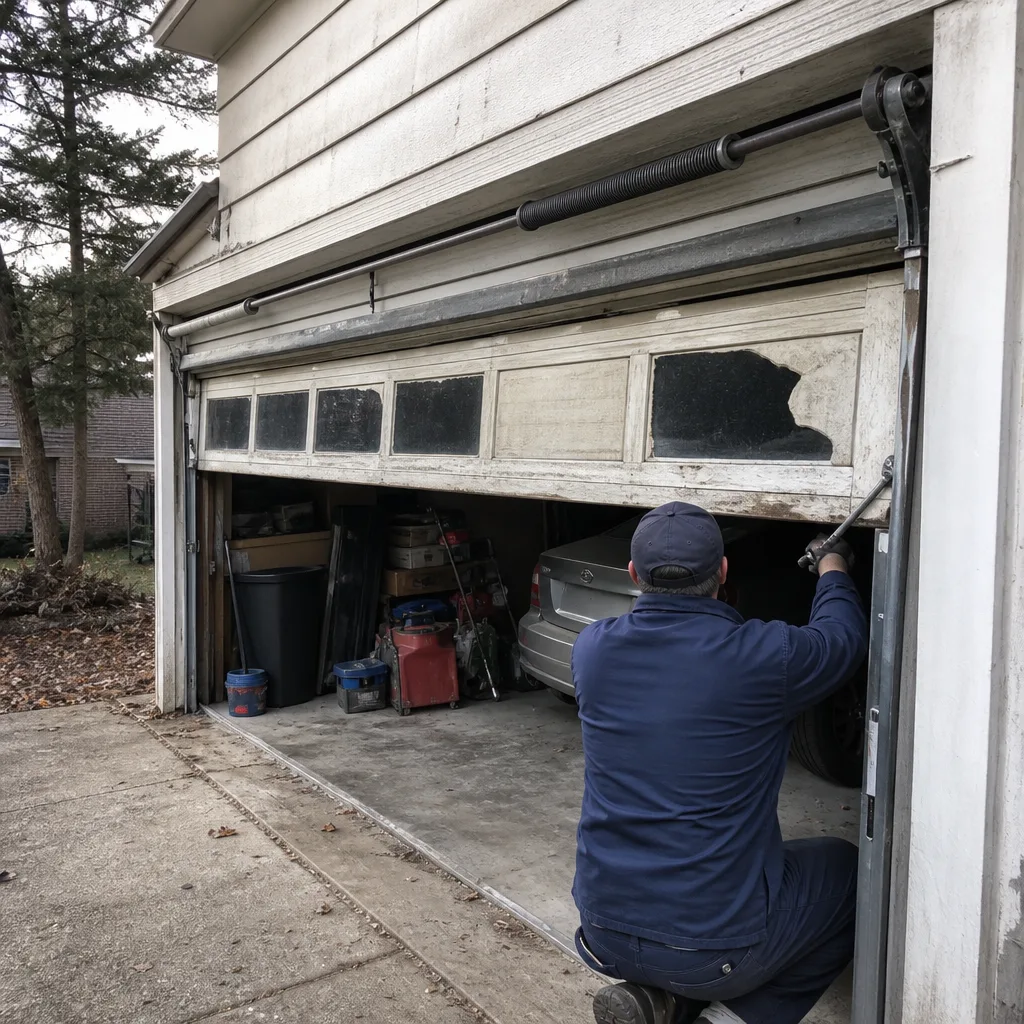 Before
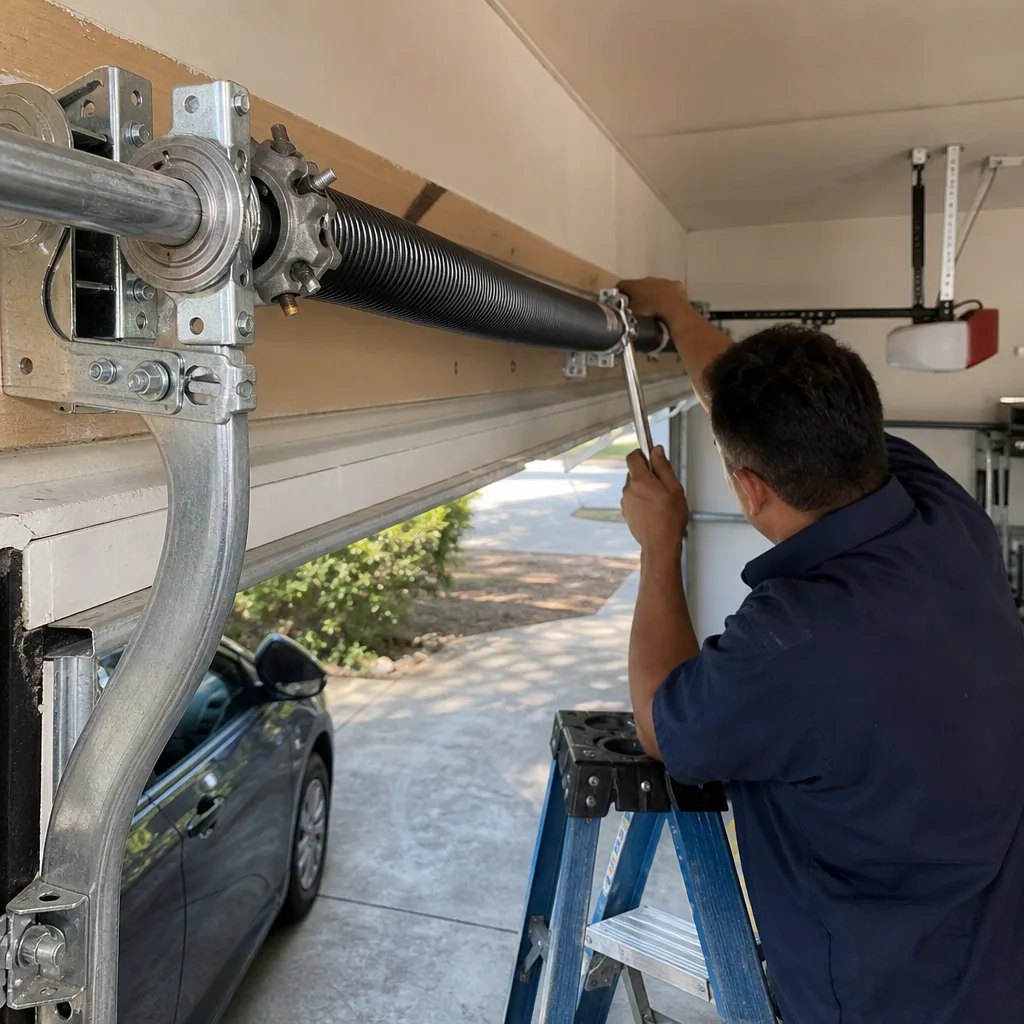 After
After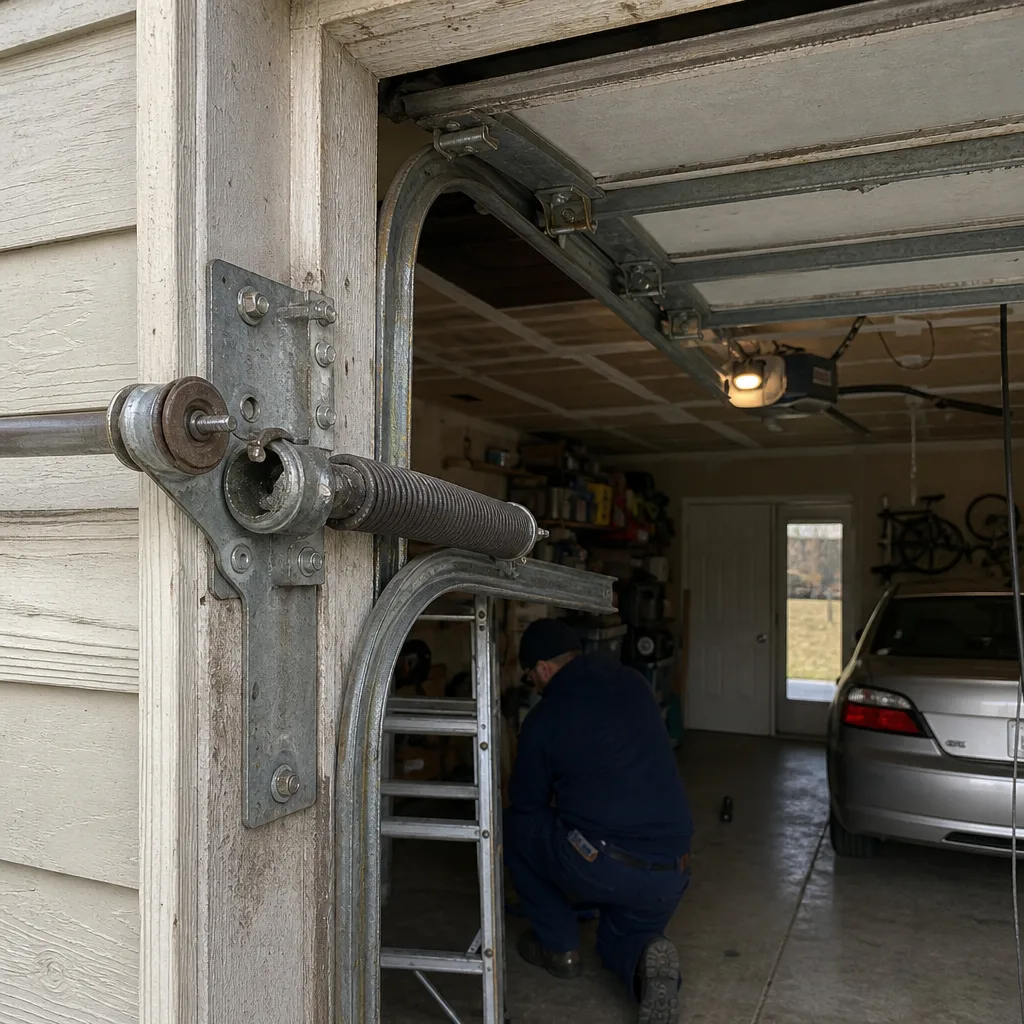 Before
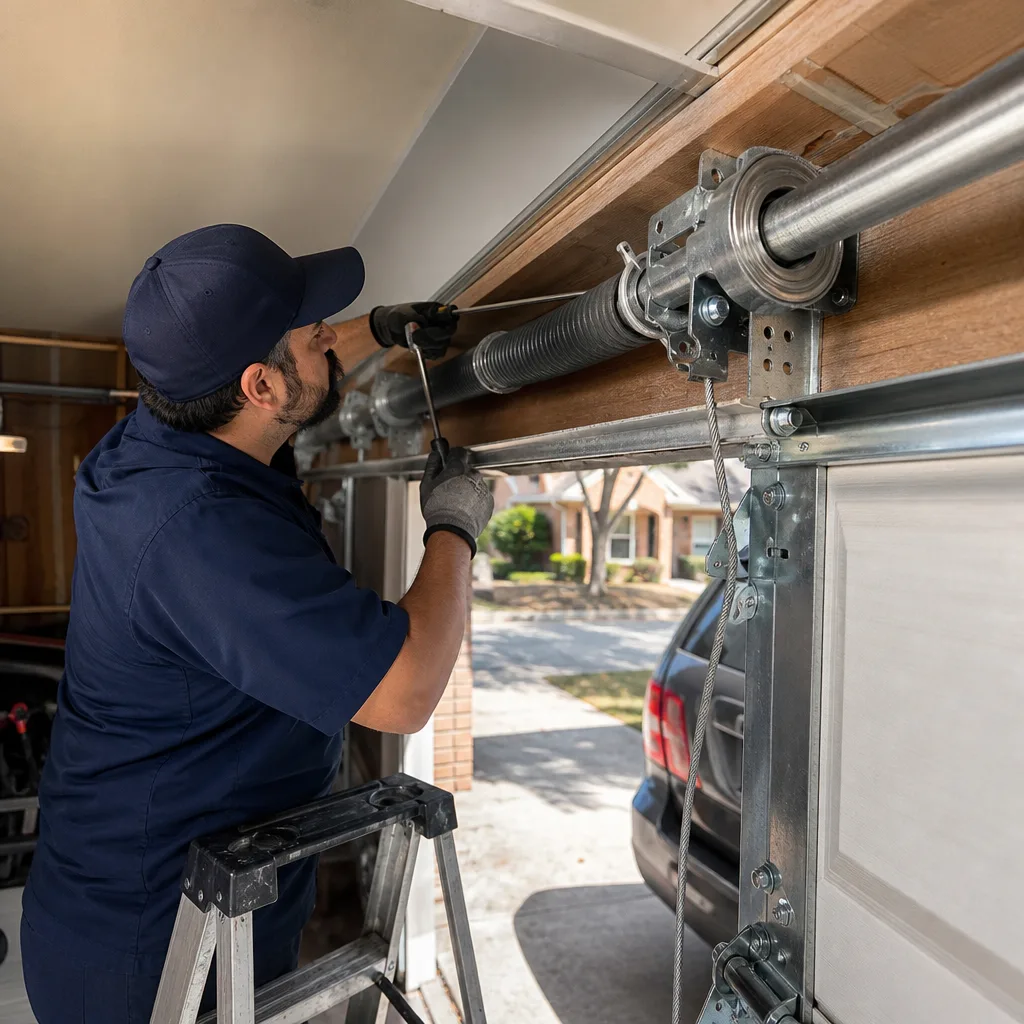 After
After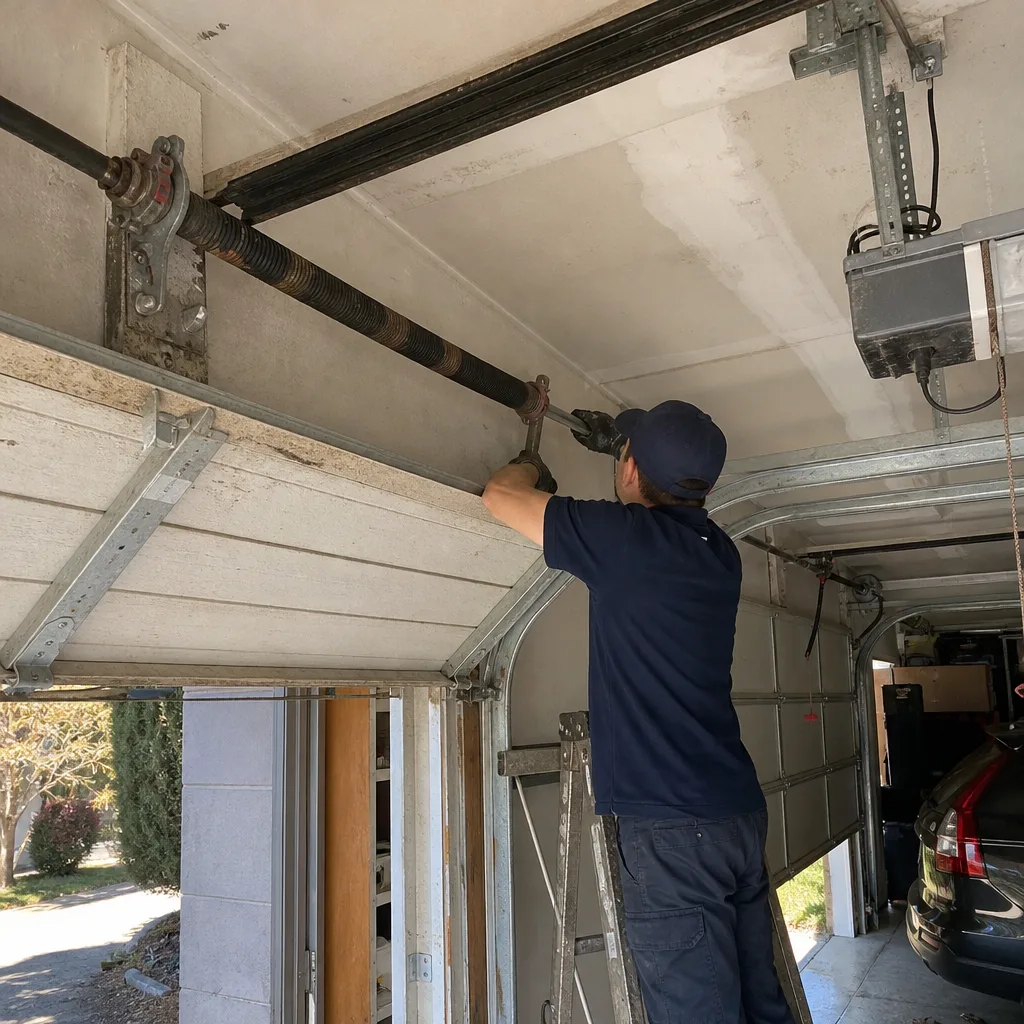 Before
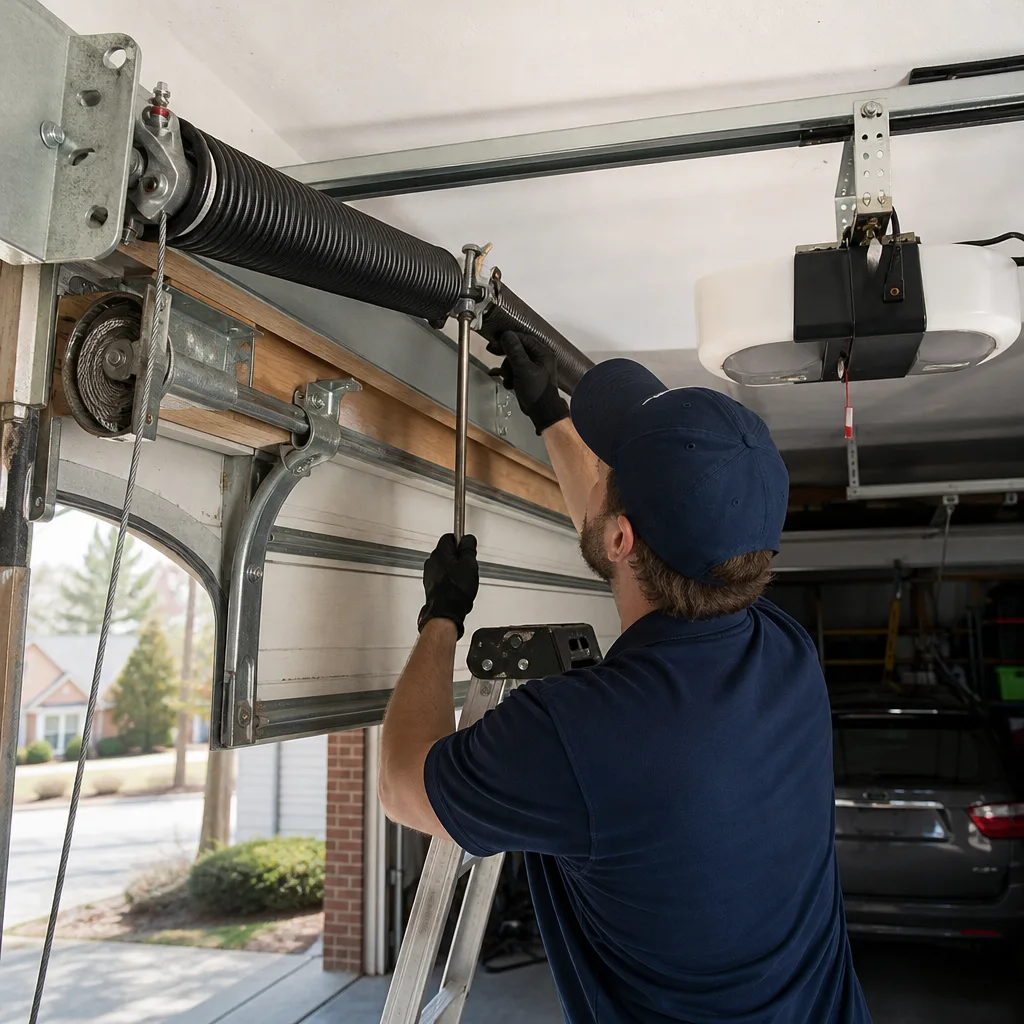 After
After