
Last updated October 16, 2026
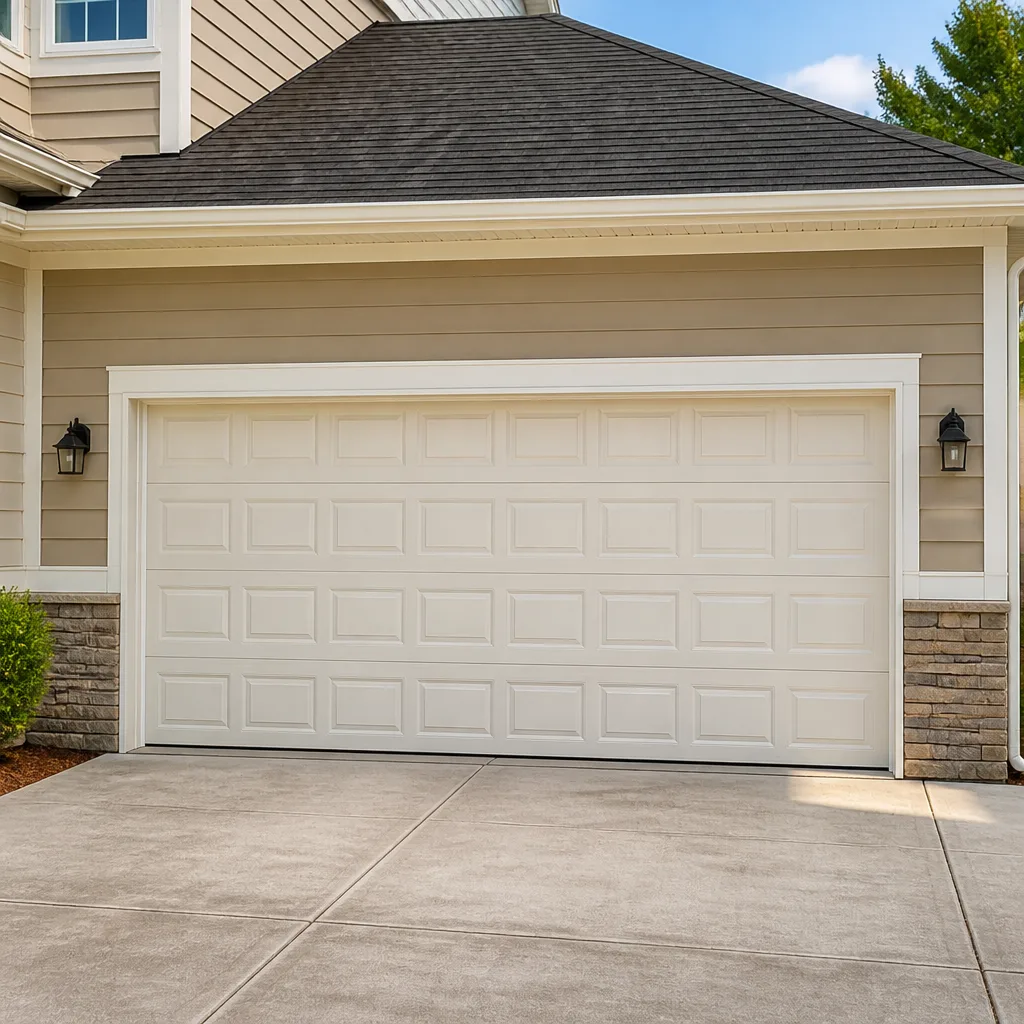 Raised-panel steel
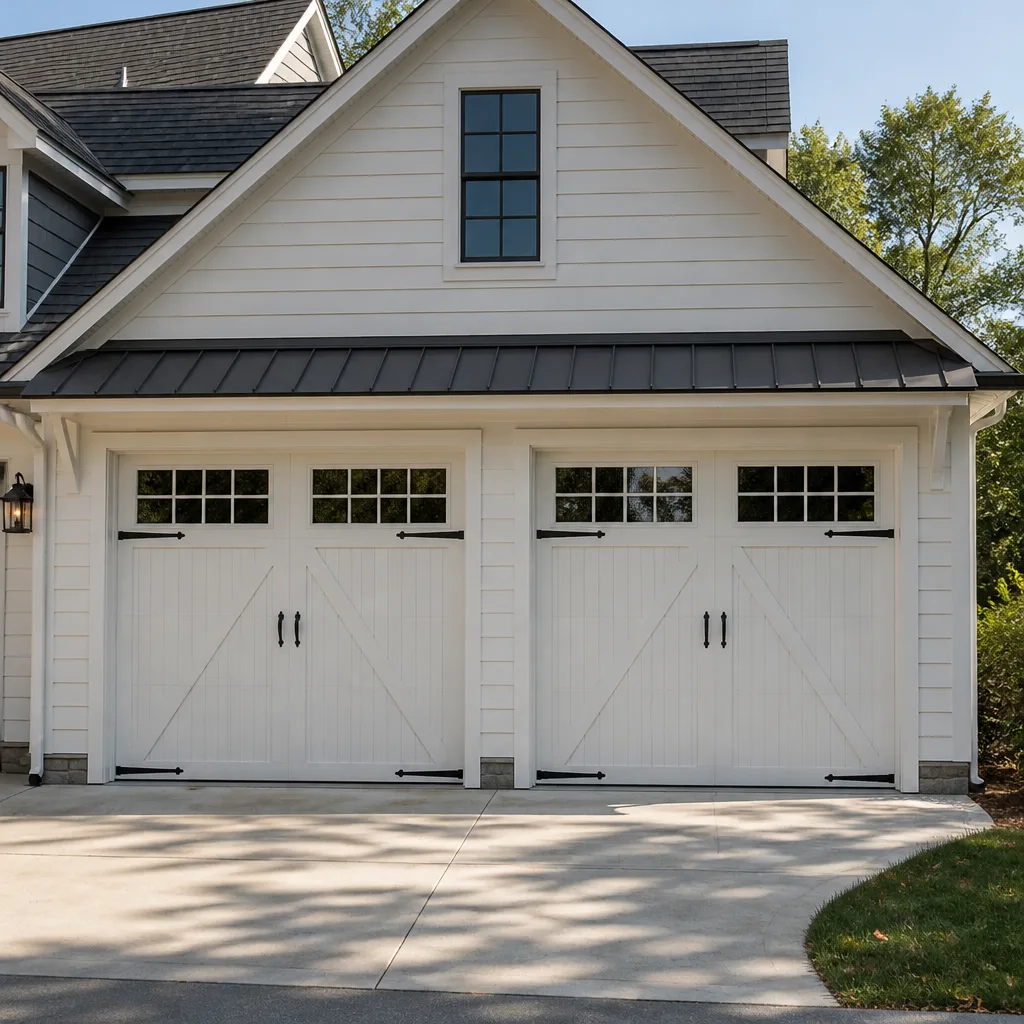 Carriage house
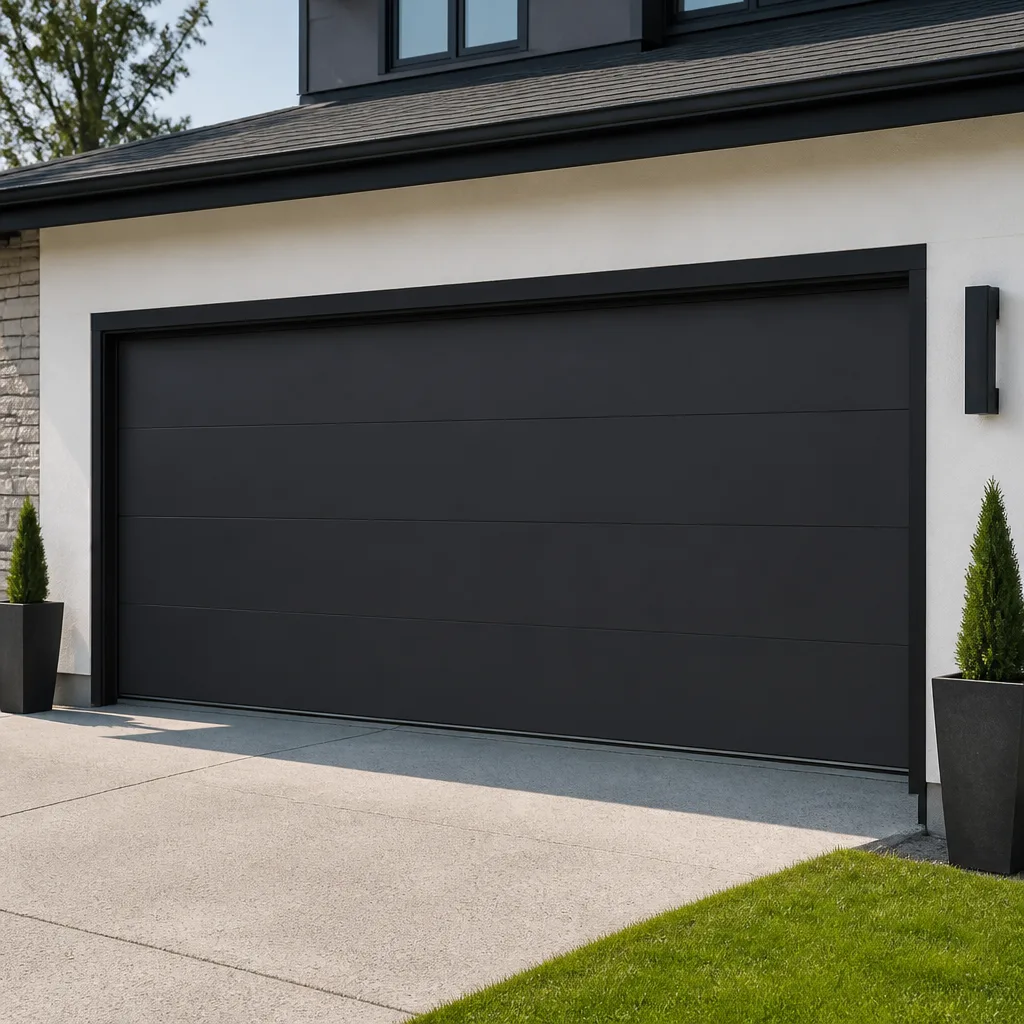 Modern flush
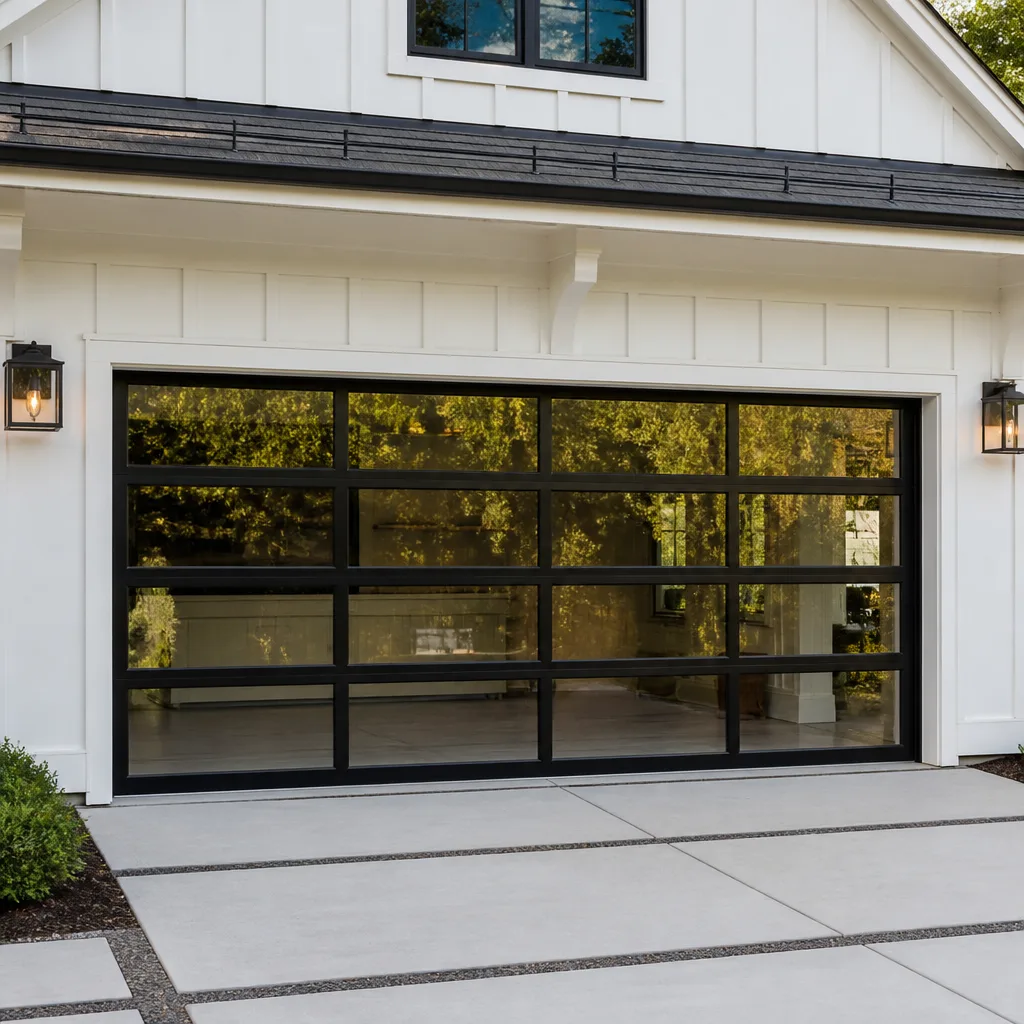 Full-view glass
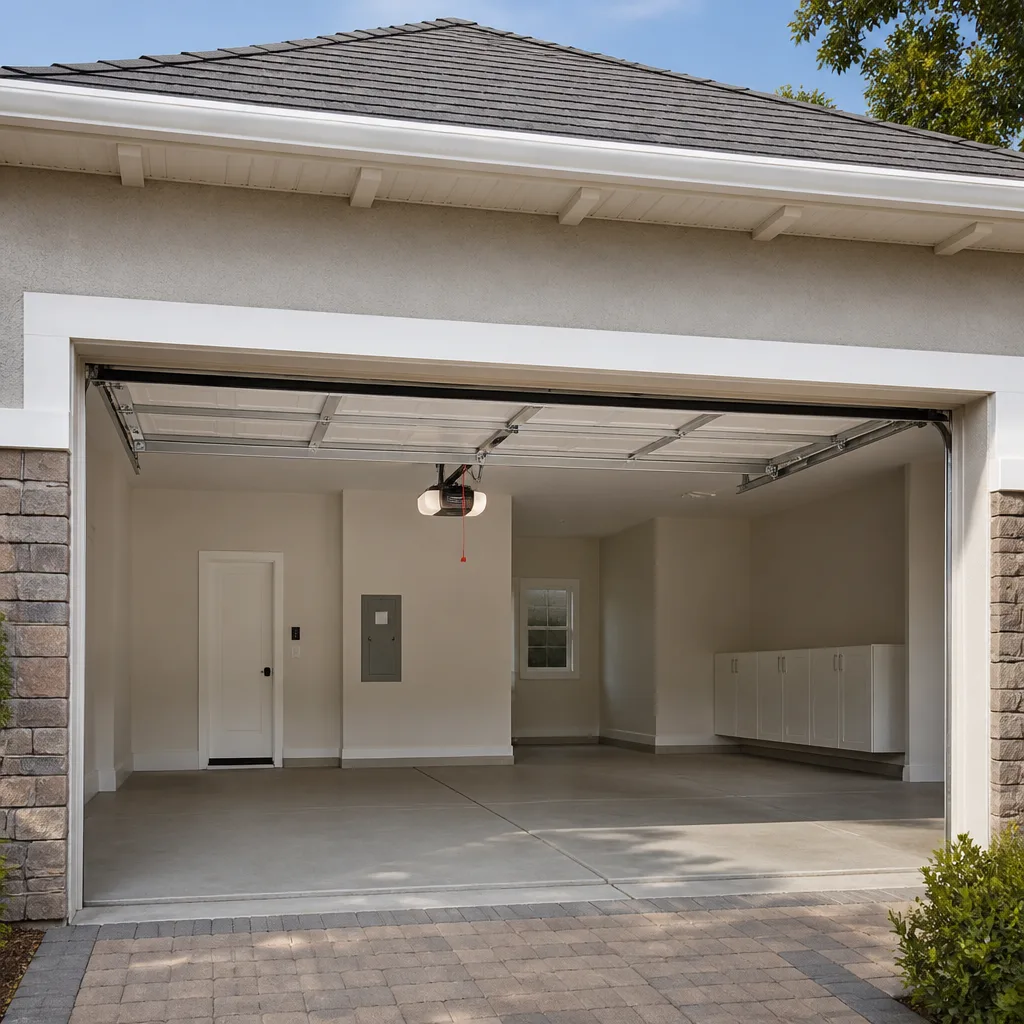 LiftMaster openers
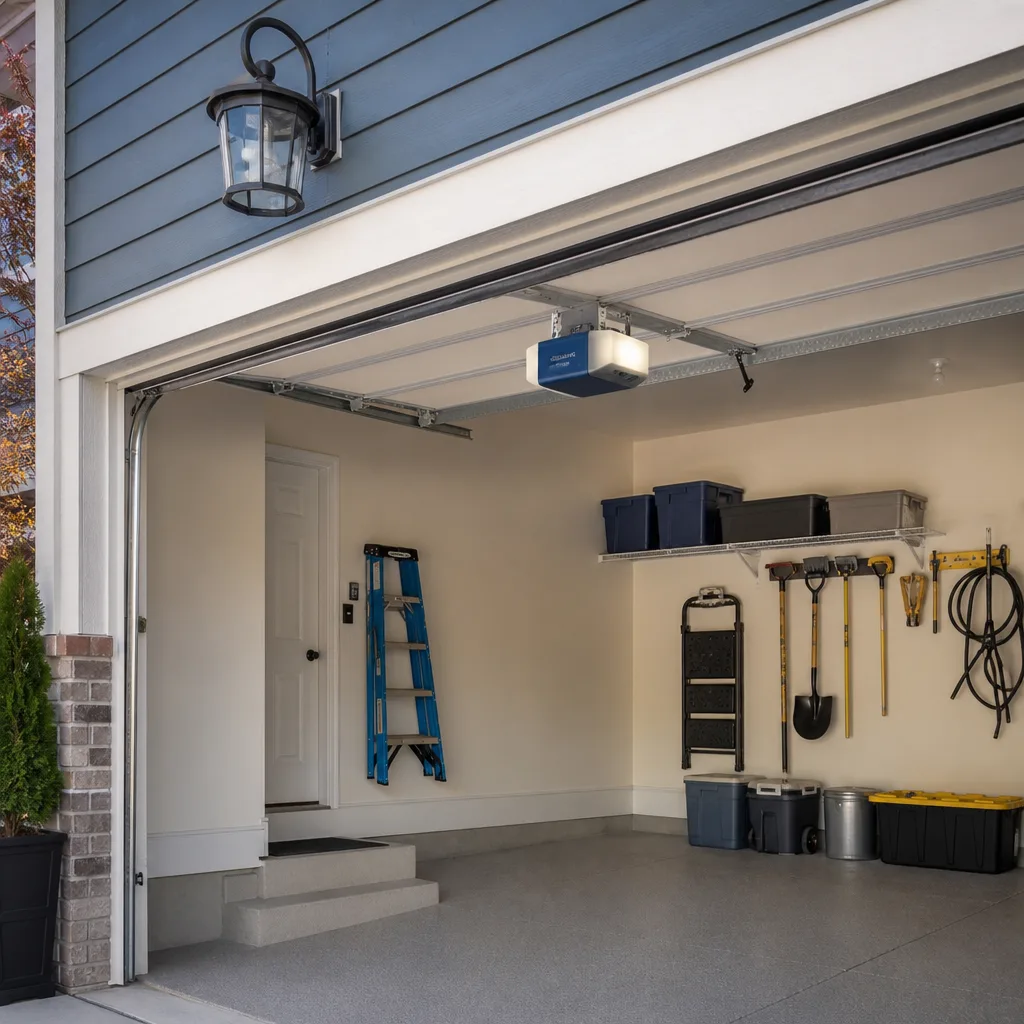 Chamberlain openers
Full 25-point door and opener safety check with every visit - springs, cables, rollers, tracks, and your LiftMaster or Chamberlain opener included
You get a price before we start. It does not change when the truck arrives.
Get your free estimateHow to Hire a Garage Door Contractor in Atlanta: A Step-by-Step Guide
Georgia does not require a state license to work on garage doors. Read that again, because it changes everything about how you should approach hiring. The technician who pulls into your driveway in Atlanta could have started the business last Tuesday, and no online review will tell you that. This guide walks you through a concrete vetting sequence we’ve developed over two decades of watching homeowners get burned by no-shows, door-step price changes, and repairs that failed within months, and you can find more guides & resources on our blog. By the time you finish reading, you’ll know exactly what to ask before anyone touches your door.
Styles & brands we work with
Quick Answer
To hire a garage door contractor in Atlanta, ask four questions before booking: Do you provide a written price before work starts? Do you guarantee a specific arrival window? Is your labor warranty in writing, and for how long? What happens if the repair fails inside the guarantee period? A contractor who answers all four directly, in plain language, is rare in this market. That’s the one you want.
Table of Contents
- Why Hiring in Atlanta Is Different From Other Cities
- The Exact Questions to Ask Before Booking
- Why a Written Arrival Window Matters as Much as Price
- How to Read a Garage Door Estimate Line by Line
- Parts Warranty vs. Labor Warranty: The Difference That Costs You Money
- The Red-Flag Checklist: Seven Warning Signs to Walk Away From
- A Step-by-Step Vetting Sequence for Atlanta Homeowners
- Common Mistakes to Avoid
- When to Call a Professional
- Frequently Asked Questions
- The Bottom Line
Why Hiring in Atlanta Is Different From Other Cities
Most states require some form of licensing or registration for garage door contractors. Georgia is not one of them. The state does not issue a garage door contractor license, which means there is no regulatory body checking who is allowed to charge you money to replace a torsion spring or hang a new door. Anybody with a pickup truck and a socket set can call themselves a garage door technician in Atlanta tomorrow.
This isn’t a policy debate. It’s a fact that shifts the entire screening burden onto you, the homeowner. In a licensed trade, you can at least verify that a technician passed a test or carries a bond. Here, you can’t. The vetting has to happen at the kitchen table, on the phone, before the appointment is even scheduled.
Atlanta’s climate adds another layer. Summer heat and humidity accelerate spring fatigue and roller wear. A torsion spring that would last seven years in a dry climate might fail in five here. That means more service calls, which means more opportunities for marginal operators to find your door. The weather also means many failures happen in July and August, when an air-conditioned house and a working garage matter most, and when you’re tempted to hire the first person who actually picks up the phone. Slow down. A fifteen-minute phone call will tell you more than a five-star average ever will.
The Exact Questions to Ask Before Booking
Here’s what a focused phone call sounds like. You’re not conducting an interrogation, but you are drawing out whether the company operates on a written standard or on vibes. Ask these in order.
- “Do you provide a written price before any work begins?” The only acceptable answer is an unqualified yes. The number quoted on the phone or at the door should match the number on the invoice. If the answer is “we’ll see once we get there,” or “depends on what we find,” you’re talking to someone who reserves the right to change the price after the door is in pieces.
- “Do you guarantee a specific arrival window?” “Sometime between 8 and 5” is not a window. A real window sounds like “between 10 and noon.” If a company won’t commit to a two-hour window, it doesn’t respect your time, and it probably won’t respect your property either.
- “Is your labor warranty in writing, and for how long?” A verbal promise evaporates. A written warranty creates accountability. Ask what it covers, for how long, and whether a second visit inside the guarantee period costs anything.
- “What happens if the repair fails inside the guarantee period?” The right answer: “We come back and fix it at no charge.” Any hesitation, any talk of “diagnostic fees apply,” any attempt to reopen the scope of work, and you’re done.
Listen for evasive language. “We stand behind our work” is not the same as “our labor guarantee covers 365 days, in writing, and a second visit inside that period is free.” The first is marketing. The second is a contract term. In our experience in Atlanta, fewer than one in five companies can answer all four questions without hedging.
Why a Written Arrival Window Matters as Much as Price
Half the frustration in hiring a garage door contractor isn’t the repair. It’s the waiting. You take a day off work. You sit in a silent kitchen. The company said “we’ll be there in the afternoon,” and now it’s 4:30 and you’re wondering if they’re coming at all.
A written arrival window tells you something about how a company runs its day. Committing to a two-hour window means the company schedules, dispatches, and communicates deliberately. It means they account for traffic on the Perimeter and I-75. It means someone in the office has enough control over the schedule to actually promise something and deliver it.
Compare that with “we’ll be there sometime tomorrow.” What that really means: the company overbooks, then sends technicians wherever the most urgent call is. Your appointment is a placeholder. If a bigger job comes in, your window slides. If a previous job runs long, you wait. The arrival window isn’t just courtesy. It’s a signal of operational maturity.
Ask for the window in writing, by text or email. A company that won’t put an arrival commitment on paper probably won’t put a price on paper either. Those two failures travel together.
How to Read a Garage Door Estimate Line by Line
You’ve booked a company. The technician arrives, looks at the door, and hands you an estimate. Here’s what each line item should tell you, and what it shouldn’t.
Service Call Fee
Many Atlanta companies charge $50 to $90 just to show up. Some fold that fee into the repair if you proceed. Some don’t. Ask before booking. A company that discloses the service call fee upfront is being honest. A company that springs it on you at the door is testing your tolerance for surprise charges. The service call fee should be a known number, not a variable.
Diagnostic or Labor Rate
Expect $75 to $125 per hour for labor in Atlanta. Anything below $60 should make you pause. A technician working that cheaply is either cutting corners, underinsured, or planning to make up the difference on inflated parts prices. Anything above $160 is premium territory that should come with a premium guarantee in writing.
Spring Replacement
Most torsion spring replacements, parts and labor included, run $150 to $280 per spring depending on spring size and cycle rating. Two springs on a double door, $300 to $500 total. That’s the honest range for Atlanta’s market. If someone quotes $95 installed, you’re getting a spring with a low cycle count that will fail again in two years. If someone quotes $700, you’re paying for overhead, not parts.
Opener Replacement
A new opener from LiftMaster, Genie, or Chamberlain with installation typically runs $400 to $700 in Atlanta. That includes the unit, labor, and basic adjustments. Belt drive units sit at the higher end. Chain drive at the lower end. Ask which you’re getting and why.
“Adjustment” or “Tune-Up”
A garage door tune-up in Atlanta should cost $75 to $150. It covers lubricating rollers and hinges, checking spring balance, tightening hardware, and testing the safety reversal. If the estimate lists “spring adjustment” as a separate $150 line item on top of a repair, ask what specifically is being adjusted and why. A spring doesn’t need adjusting. It needs either tightening to the correct quarter-turn count or replacing. Vague line items are where padded invoices hide.
Parts Warranty vs. Labor Warranty: The Difference That Costs You Money
Here’s the trap most Atlanta homeowners don’t see until it’s too late. A parts warranty covers the spring, the opener, the roller. A labor warranty covers the work it takes to remove the failed part and install its replacement. They are different things, and a company that only guarantees parts has left you holding the bag.
A spring fails two months after installation. The part is under a five-year manufacturer warranty. Great. The company sends someone out, pulls the old spring, installs the new one, and hands you a bill for $110 in labor. The part was free, but the visit wasn’t.
We see this pattern constantly in Atlanta’s market. A repair fails in three months, and the homeowner discovers the original quote never mentioned labor. The company picks up the phone, eventually, and explains that the part is covered but the time is not. That’s a parts warranty doing exactly what it was designed to do: protect the manufacturer, not you.
Ask this sentence, word for word: “If this repair fails inside the guarantee period, does the second visit cost me anything at all?” Listen for the qualifiers. “Well, the part is covered” is the beginning of a labor bill. “No charge, and that’s in writing” is what you’re listening for.
Bramwell’s 365-Day Done Right Promise means if a covered repair fails within a year, we come back and fix it at no charge. That commitment is in writing, not just said at the door. The Kingswell Guarantee covers every repair we make, and you’ll get the terms on paper before work begins. A written labor guarantee isn’t a bonus. It’s the difference between a contractor who fixes doors and a contractor who fixes them right.
The Red-Flag Checklist: Seven Warning Signs to Walk Away From
- The price changes at the door. You were quoted $220 on the phone. The technician looks at the door and suddenly it’s $390. In Atlanta, this is the single most common complaint about garage door contractors. A written price quoted before work starts should not move. Walk away if it does.
- The truck is unmarked. A legitimate business puts its name on the vehicle. An unmarked truck means the operator doesn’t want to be found after the job goes wrong. That’s not a judgment of small operators. It’s a judgment of accountability.
- They refuse to provide a written quote. “Trust me” is the sentence that costs Atlanta homeowners thousands. If the estimate doesn’t exist in writing, the invoice will be whatever the technician says it is.
- Pressure to decide immediately. “I can only hold this price for today” is a closing tactic, not a business policy. Legitimate companies quote a price and stand by it while you think.
- No stated arrival window. “We’ll be there sometime in the afternoon” is not a commitment. Companies that can’t commit to a window don’t respect your schedule.
- They won’t answer the labor warranty question. Any evasion on “what if it fails in two months” tells you the company has no plan for failed repairs except charging you again.
- The phone rings to voicemail during business hours. If you can’t reach a live person before they have your money, reaching someone after the repair fails will be even harder.
A Step-by-Step Vetting Sequence for Atlanta Homeowners
Here’s the concrete sequence that filters out fly-by-night operators before anyone sets foot on your driveway. The process takes twenty minutes, most of it on the phone.
Step 1: Generate a Short List
Ask neighbors in your Atlanta neighborhood. Search online, but don’t let stars decide. Read the reviews that mention specifics: did the company honor a quote, show up on time, fix it the first time. A review that says “nice guy” tells you nothing. A review that says “price was exactly what they quoted, and they came back six months later to tighten a squeak at no charge” tells you everything.
Step 2: Call During Business Hours
Call at 10 a.m. on a Tuesday. A live person answers, or they don’t. In our business, a live person answers the phone 24 hours a day. That includes nights, weekends, and holidays. If you call at midnight because your car is trapped inside the garage, someone picks up. If a company can’t answer at 10 a.m., that’s a signal.
Step 3: Ask the Four Questions
Written price? Written arrival window? Written labor warranty? Free second visit if it fails? Take notes. A company that answers all four cleanly goes to the next step. A company that hedges on any one of them goes off the list.
Step 4: Verify Brand Competence
Ask which brands they service. A competent garage door company in Atlanta works on LiftMaster, Chamberlain, Genie, and the major door brands without blinking. If the answer is “all of them” with no follow-up, that’s generic. If the answer names specific brands and describes a common failure mode for one of them, you’re talking to someone who actually works on doors.
Step 5: Book and Confirm in Writing
Book the appointment and request confirmation by text or email that includes the arrival window, the service call fee, and the commitment to a written price. If the company balks at putting any of that in writing, the phone call just saved you from hiring a door-step price changer.
Common Mistakes to Avoid
- Hiring the first company that picks up. When your door won’t open and your car is trapped inside, speed feels like the only variable. It isn’t. A fifteen-minute vetting call is the difference between a $250 repair and a $700 repair on the same spring.
- Trusting star ratings over written guarantees. A five-star average reflects marketing and mass-appeal. A written labor guarantee reflects policy. One of those protects you when the repair fails.
- Accepting “it depends” as a quote. You asked what it costs. The answer should be a number, in writing. “Depends on what we find” means the final price depends on what they think you’ll pay.
- Confusing a parts warranty with a labor warranty. The part is the cheapest portion of a failed repair. The labor to replace it is what costs you money. Ask about both, separately, and get the labor term in writing.
- Treating the garage door as a single system when it’s actually a set of moving parts. Springs, cables, rollers, tracks, opener, sensors. A good contractor inspects all of them and explains what needs attention now versus what can wait. A bad one fixes the one part you complained about and is gone in thirty minutes.
- Ignoring the van. If the technician pulls up in an unmarked personal vehicle, you have no documentation of who was on your property, and no recourse if the work is defective.
- Paying before the work is done. Never pay a deposit for a repair. Pay when the door operates correctly, the site is clean, and the written guarantee is in your hand.
When to Call a Professional
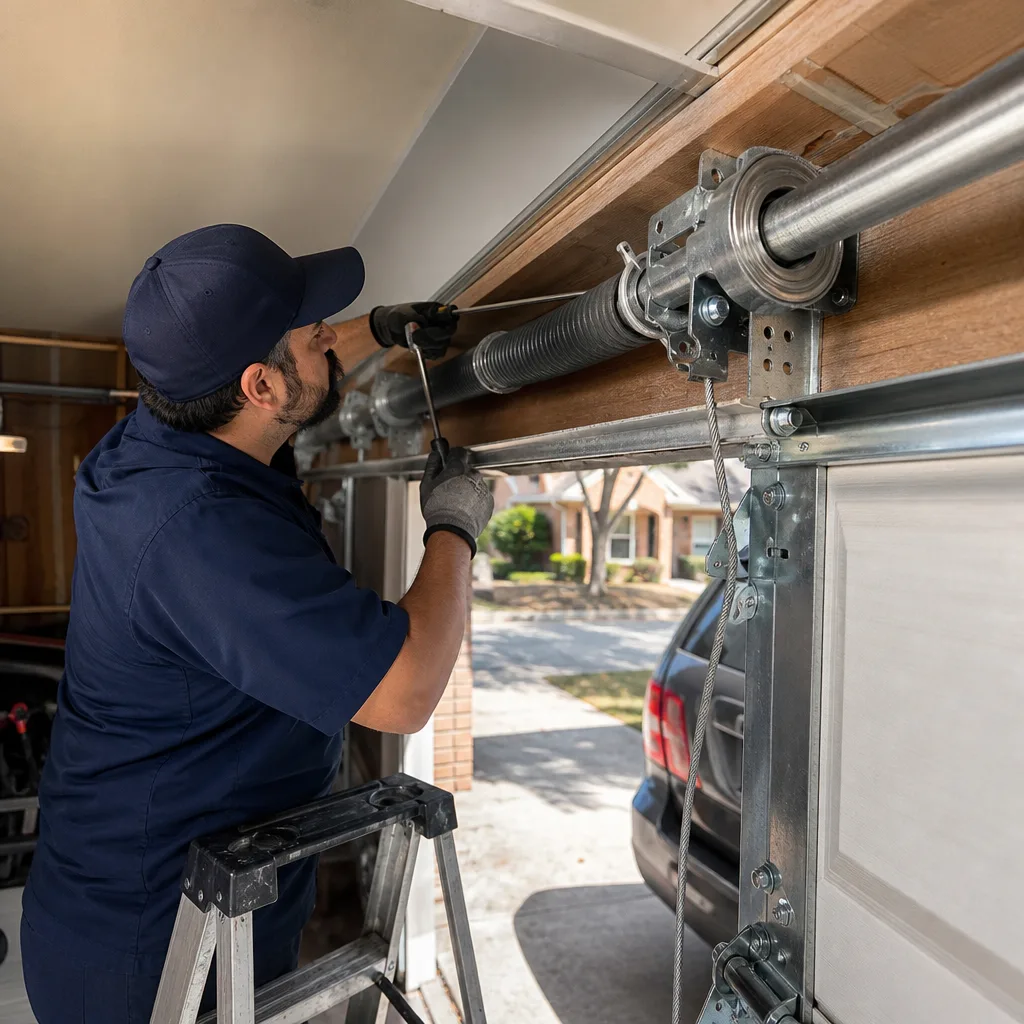
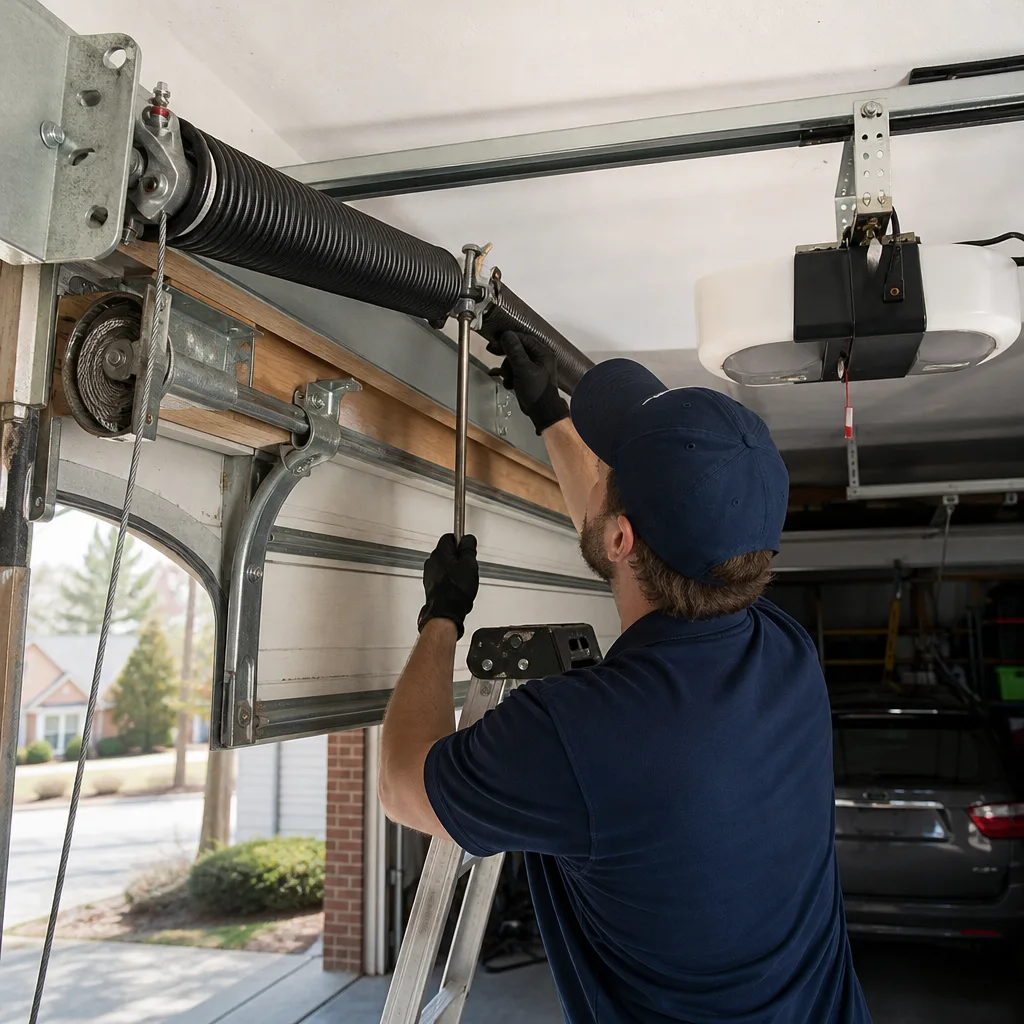
Garage door springs, cables, and openers can cause serious injury. A torsion spring, the heavy coil mounted above the door that handles most of the lifting weight, stores enough energy to break bones or worse if it releases unexpectedly. Cables under tension can snap and slash. Openers involve electrical wiring and moving parts that can crush fingers. If your spring has snapped, your cable is frayed, or your opener motor is smoking, stop troubleshooting and call a trained professional. The diagnostic is free because it happens over the phone. Bramwell Garage Doors Atlanta offers free estimates in Atlanta, and a live person answers at (229) 792-2327, 24/7.
Frequently Asked Questions
For spring replacement, expect $150 to $280 per spring with labor included. A full opener replacement runs $400 to $700 installed. A general tune-up costs $75 to $150. A service call fee of $50 to $90 is standard in Atlanta, though many companies fold it into the repair if you proceed. Call (229) 792-2327 for an exact quote, estimates are free.
Replacing an existing door with a similar model typically does not require a permit in the city of Atlanta, but structural changes to the opening, new framing, or moving the door location can trigger a building permit. A competent contractor will tell you if your specific project requires one before work begins. Ask during the estimate.
A standard spring replacement is a forty-five to ninety minute job. An opener replacement runs two to three hours. A full door installation is a half-day. If a technician quotes less than thirty minutes for a spring repair, ask what specifically is being done and whether a tune-up or balance check is included in that time.
Ask for the quote in writing before work begins. A company that operates on a written-price standard, like Bramwell’s no-hassle upfront pricing, will give you a number that doesn’t move. The price on the invoice will match the number you heard on the phone or at the door. If a contractor won’t put a number on paper, expect the invoice to be higher than the verbal estimate.
Look for a written labor warranty, not just a parts warranty. Parts warranties cover the component; labor warranties cover the work it takes to replace it. Ask: “If this repair fails inside the guarantee period, does the second visit cost me anything?” The correct answer is no charge, in writing. Bramwell’s 365-Day Done Right Promise covers second visits inside the guarantee period at no cost, and that commitment is documented on every job.
Ask for a specific arrival window, in writing, before booking. A company that commits to a two-hour window has enough operational control to keep the promise. A company that gives you “afternoon” or “we’ll call when we’re close” is overbooking and will slide your appointment. The window commitment is the single best predictor of whether the technician actually arrives.
The Bottom Line
Hiring a garage door contractor in Atlanta involves more risk than most home trades because Georgia leaves licensing entirely to the market, which is why we put together The Complete Guide to Garage Door in Atlanta. That means the screening is on you. Ask four questions before booking: written price, written arrival window, written labor warranty, and free second visit if the repair fails. Read the estimate line by line and question vague entries. Listen for the difference between a parts warranty and a labor warranty. Walk away from door-step price changes, unmarked trucks, and pressure tactics. A company that answers your questions in plain language, puts everything in writing, and backs the work for a full year is worth the extra twenty minutes it took to find. That’s the standard worth holding out for, and it’s the standard we’ve operated under since 2001.
Written by Marcus Ellery, Owner at Bramwell Garage Doors Atlanta, serving Atlanta since 2001.
See the difference
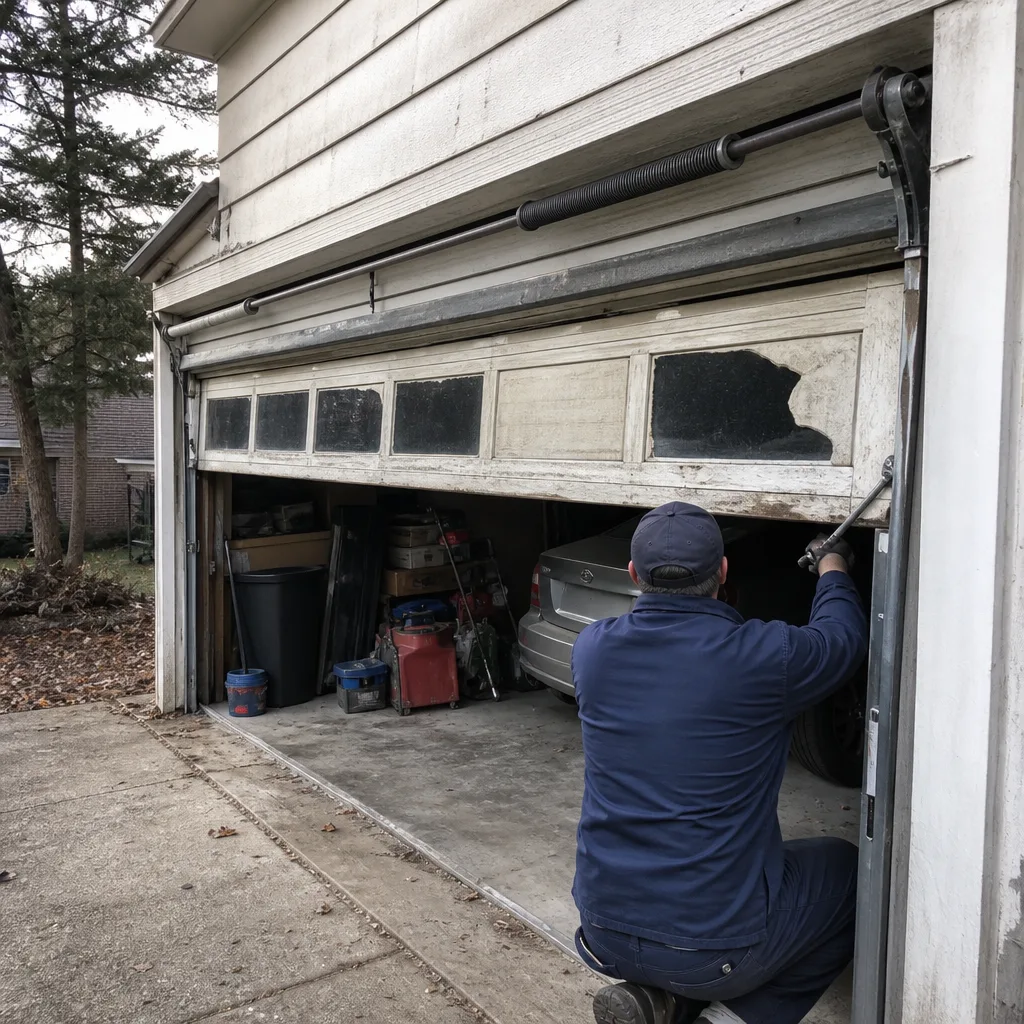 Before
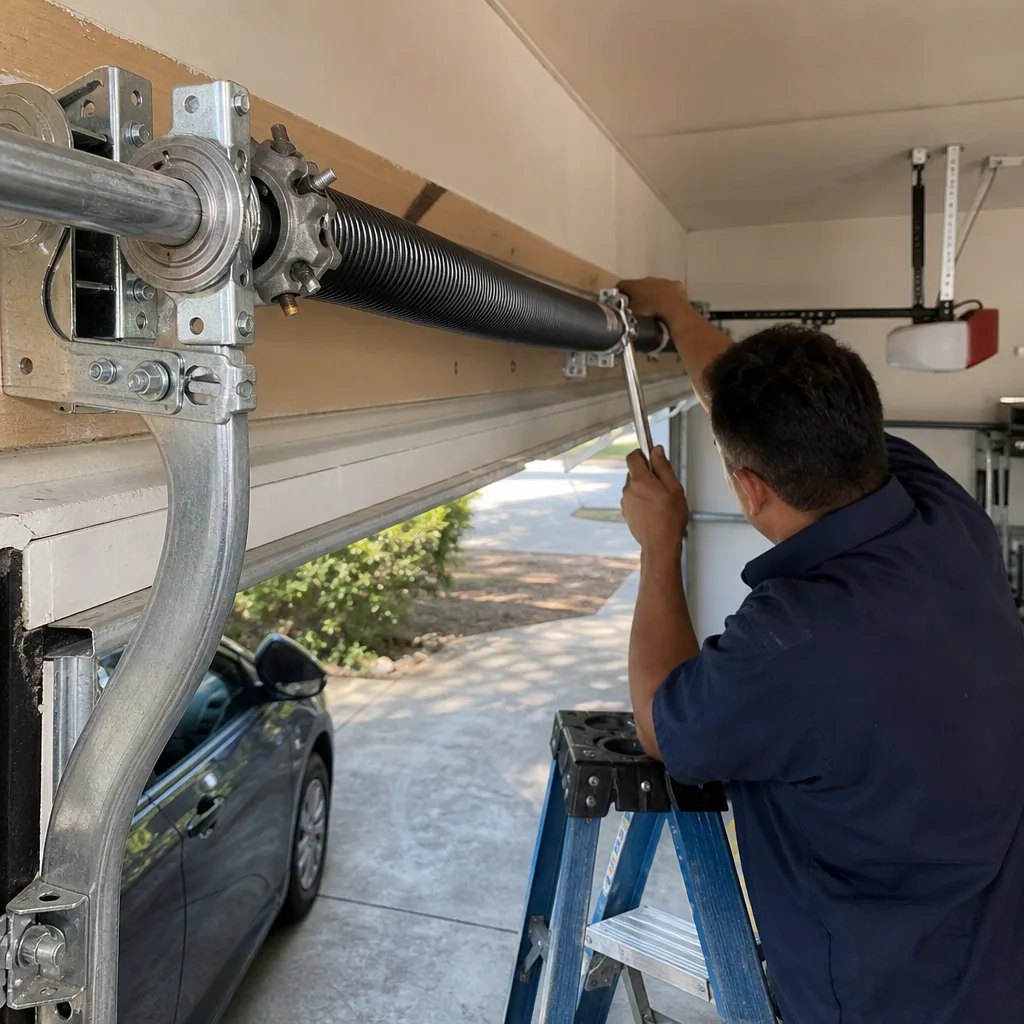 After
After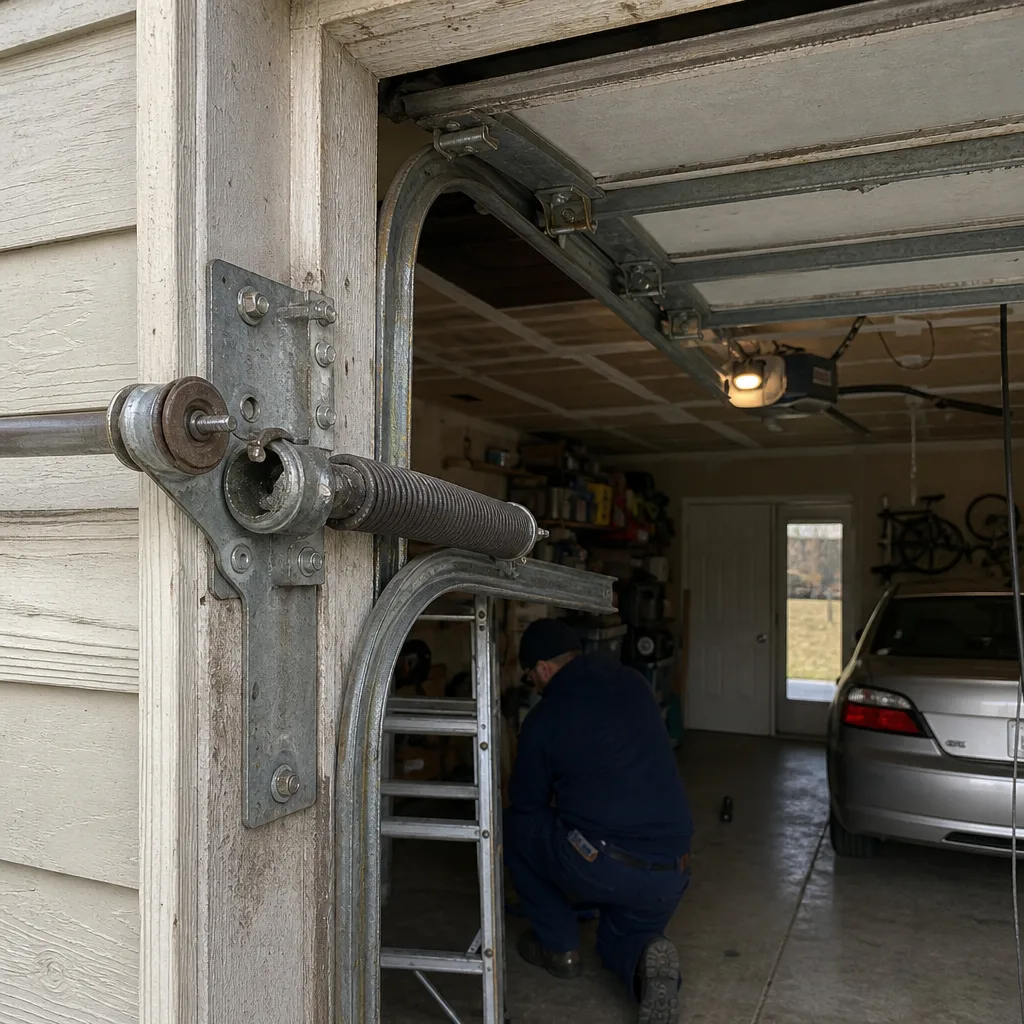 Before
 After
After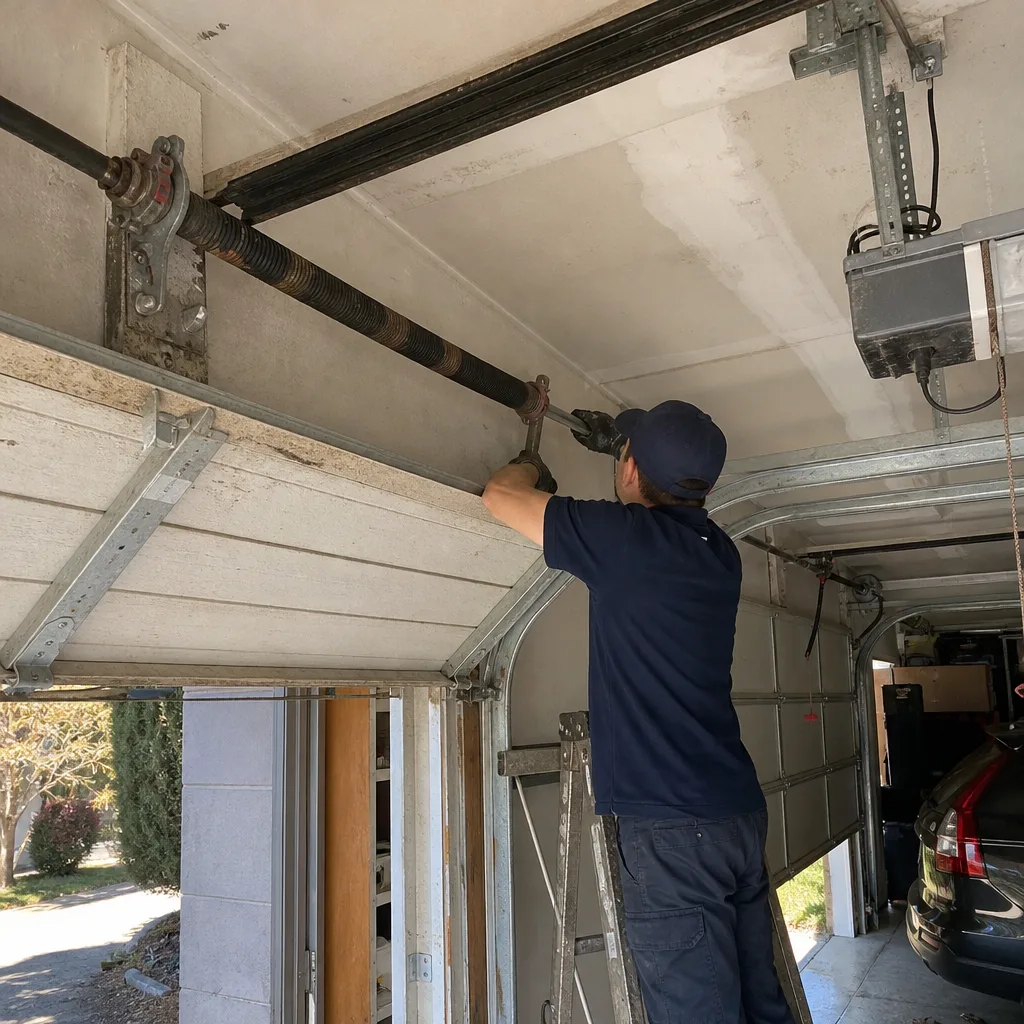 Before
 After
After