
Last updated October 16, 2026
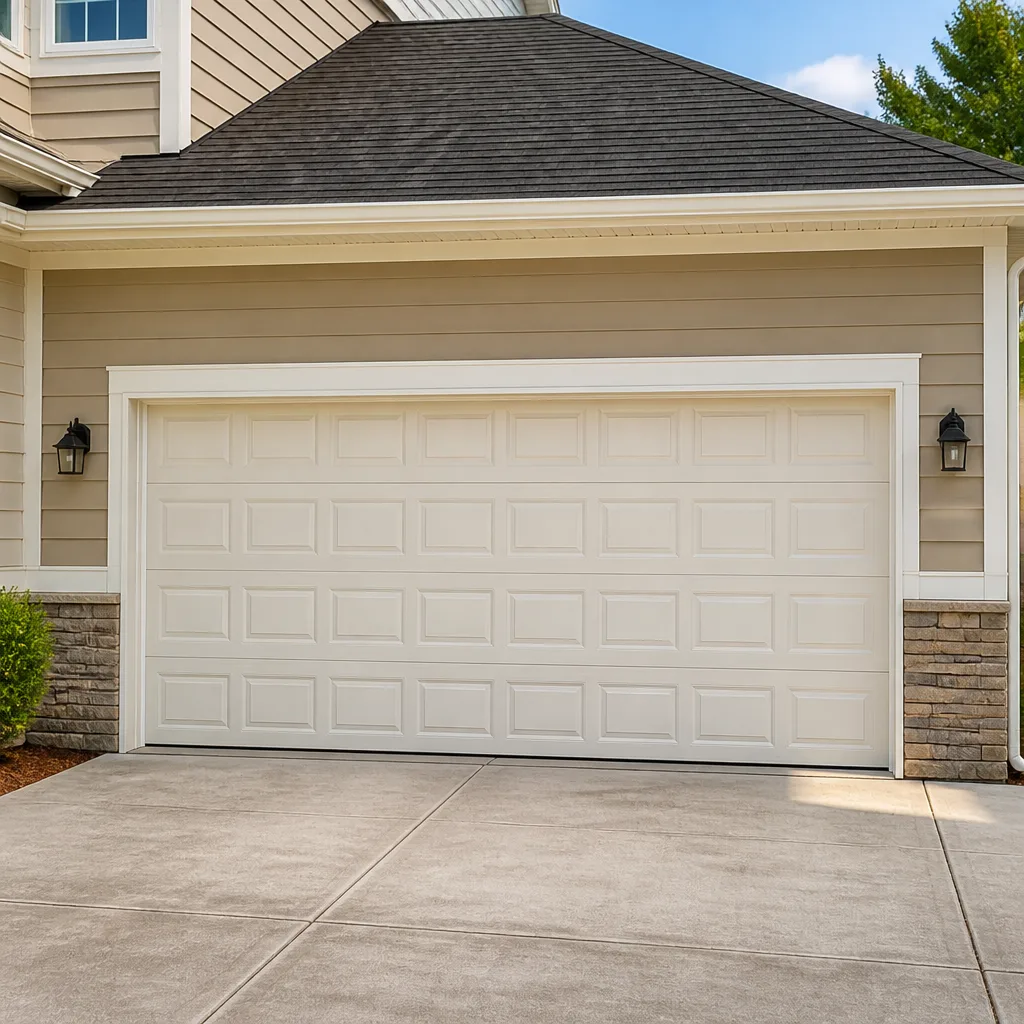 Raised-panel steel
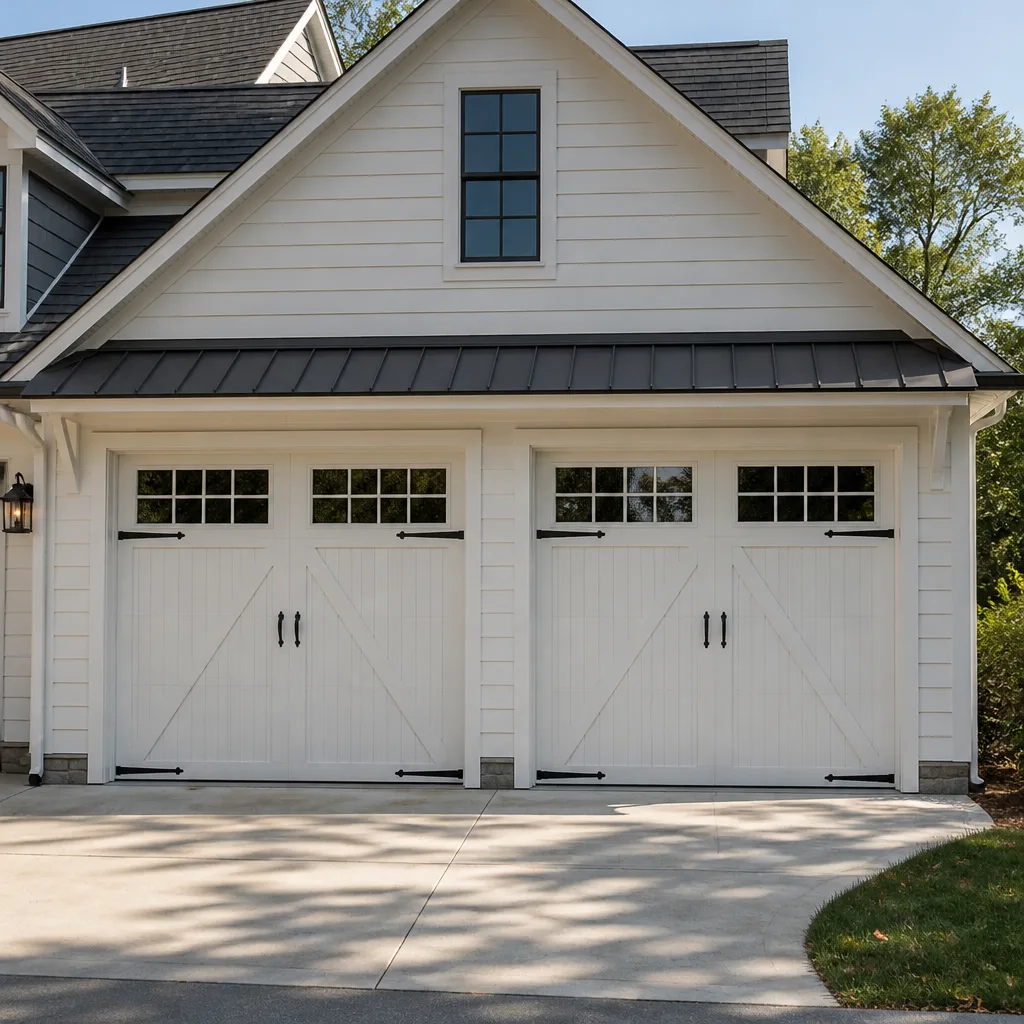 Carriage house
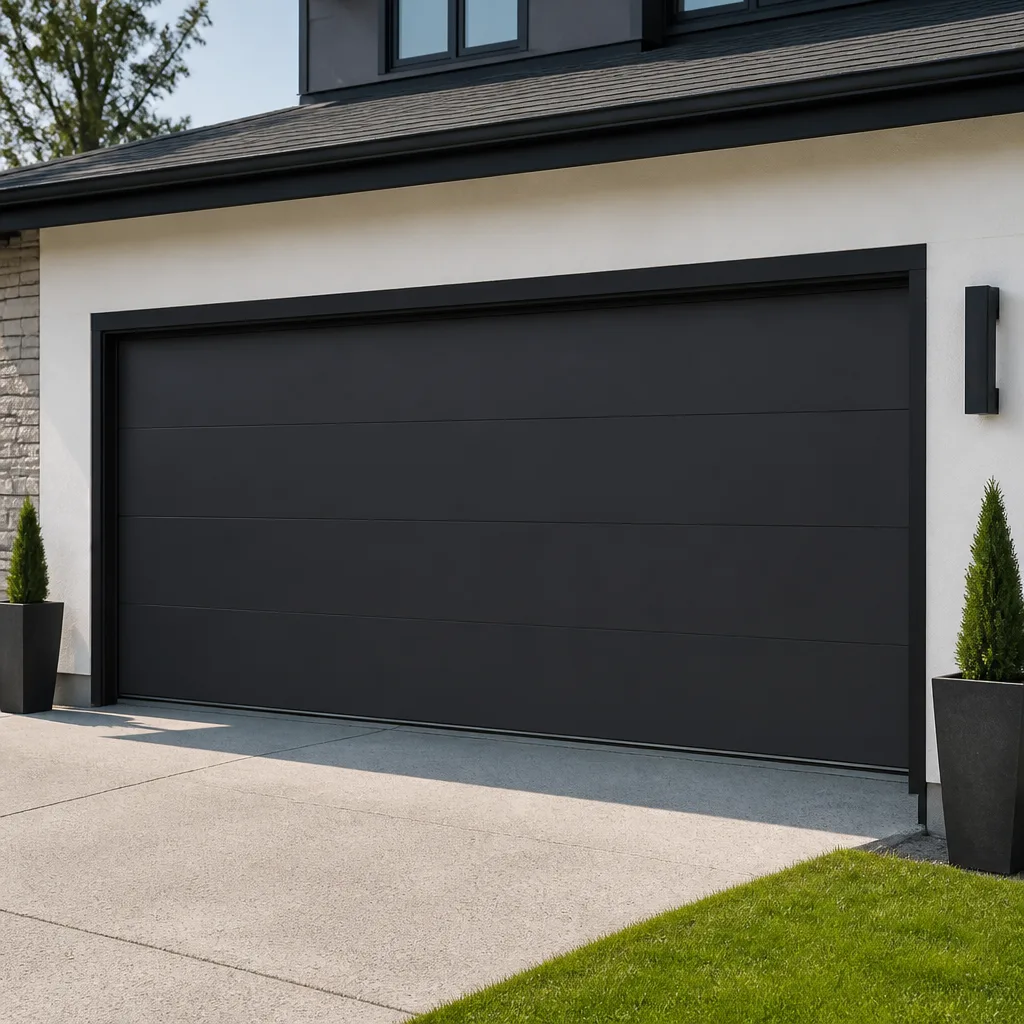 Modern flush
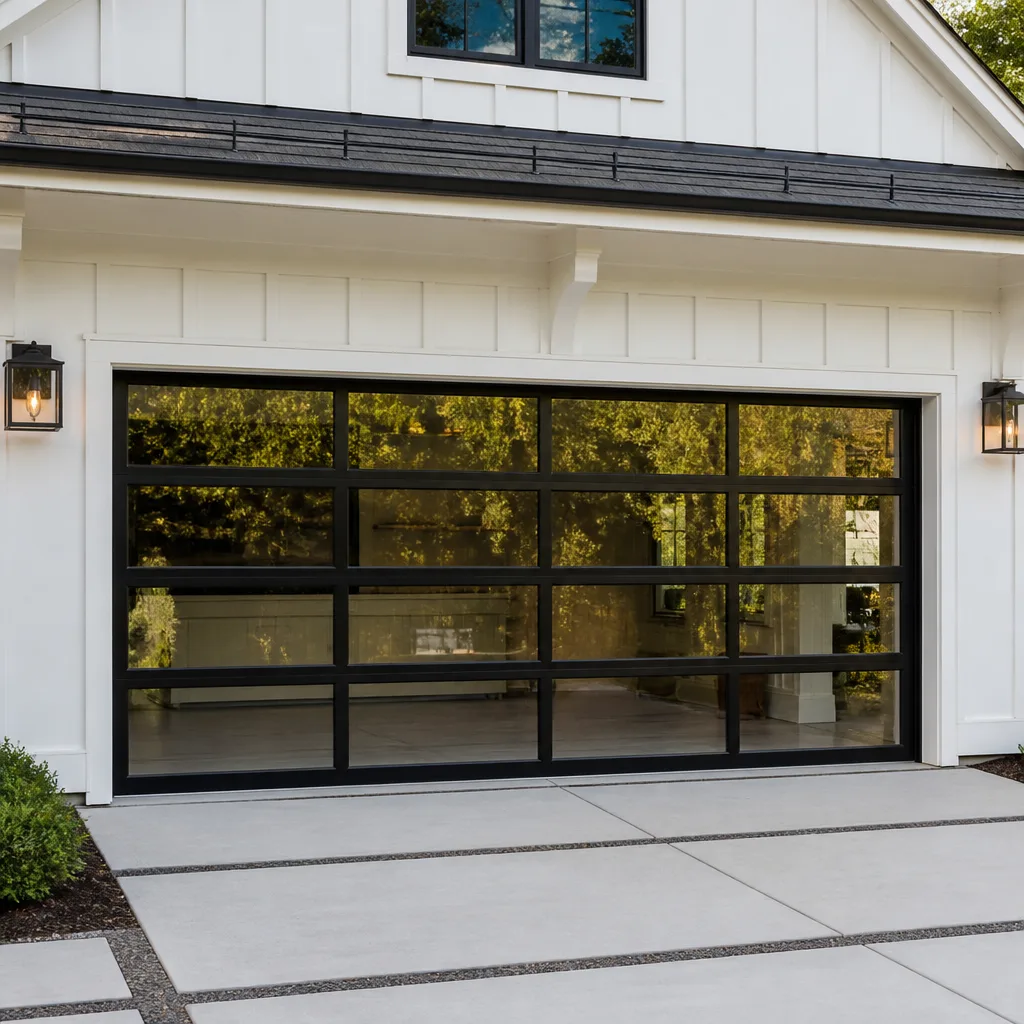 Full-view glass
 LiftMaster openers
 Chamberlain openers
Full 25-point door and opener safety check with every visit - springs, cables, rollers, tracks, and your LiftMaster or Chamberlain opener included
You get a price before we start. It does not change when the truck arrives.
Get your free estimateGarage Door Repair Maintenance Checklist for Atlanta Homeowners
Most garage door maintenance advice reads like a generic twelve-month calendar written for a house in Ohio. But Atlanta doesn’t do mild seasons. Our heat builds through July and August, peaks in September, and then drops thirty degrees in a few weeks. That thermal shock is what kills torsion springs, cracks rollers, and seizes bearings. A garage door spring that survives a Georgia summer without inspection is running on borrowed time, because heat expansion and contraction cycles in Atlanta can consume months of a spring’s rated cycle life in a single season. This guide gives you a checklist anchored to Atlanta’s actual weather pattern, so you’re inspecting the right parts at the right time of year, not working through a generic list that ignores what our climate actually does to a door.
Quick Answer
The most effective garage door maintenance checklist for Atlanta homeowners is a calendar-anchored routine: perform a visual safety inspection every six weeks, lubricate moving parts twice a year (once in late February, once in late September), test the auto-reverse mechanism monthly, and schedule a professional spring and cable inspection in late September before Atlanta’s first cold snap. Most repairs cost $120 to $340 when caught early; a snapped torsion spring on a Saturday night can run double that in emergency dispatch fees alone.
Styles & brands we work with
Table of Contents
- Why Atlanta Weather Is Harder on Garage Doors Than You Think
- The Six-Week Quick Inspection (Every Atlanta Homeowner Should Do This)
- The Late September Deep Inspection: What to Check Before the First Cold Snap
- How to Test the Auto-Reverse Safety Mechanism (And What a Failed Test Means)
- The Lubrication Guide: What to Oil, What to Never Touch, and What to Use in Georgia Humidity
- Torsion Spring Visual Inspection: What a Gap or Rust Pattern Actually Looks Like
- Printable Checklist: Pass, Flag, or Call a Tech
- Common Mistakes to Avoid
- When to Call a Professional
- Frequently Asked Questions
Why Atlanta Weather Is Harder on Garage Doors Than You Think
Atlanta sits in a climate zone that doesn’t exist in most maintenance guides. We get Florida-level humidity in summer and Tennessee-level cold snaps in winter, sometimes in the same week. For a garage door, that combination does three specific things. First, humidity accelerates rust on springs, rollers, hinges, and bearing plates. Bare metal parts that would last a decade in Phoenix start showing corrosion here in three or four years. Second, temperature swings cause the metal in a torsion spring to expand and contract daily. Every cycle of expansion adds micro-stress to the coil. Over one Atlanta summer, that’s roughly ninety days of meaningful thermal cycling on top of the normal open-and-close cycles you already put on the spring. Third, Georgia clay dust is fine and abrasive. It works its way into roller bearings and hinge pins, acting like sandpaper every time the door moves.
We’ve replaced torsion springs in neighborhoods like Virginia-Highland and Grant Park where homeowners tell us the spring was only four years old. That’s not a manufacturing defect. That’s what untreated Atlanta seasons do. The factories rate springs in cycles, typically 10,000 for a standard spring and 25,000 for a high-cycle spring. But that rating assumes a neutral environment. Heat, humidity, and dust here mean a 10,000-cycle spring often fails closer to 7,000 or 8,000 cycles if it hasn’t been lubricated and inspected. The takeaway: maintenance isn’t optional in this climate. It’s how you get the full rated life out of the parts you already paid for.
The Six-Week Quick Inspection (Every Atlanta Homeowner Should Do This)
You don’t need to spend an hour every month crawling around your garage. What you need is a consistent, fast routine that catches problems early, before a $180 spring replacement becomes a $400 emergency repair with a broken cable and a door off its tracks. This six-week inspection takes ten minutes and requires no tools beyond your eyes and ears.
Here’s the routine, in order:
- Open the door halfway and let go. A balanced door stays put. If it drifts up or down more than a few inches, the springs are wearing unevenly or losing tension. This is the single most important diagnostic you can do without tools.
- Watch the door move through a full cycle. Stand inside the garage and open the door all the way, then close it. Look for jerking, hesitation, or any point where the door seems to speed up or slow down on its own. Smooth is good. Stutter is a flag.
- Listen while it moves. A healthy door is quiet enough that you can hold a conversation next to it. Grinding, squealing, or rattling means something is dry, loose, or failing. Note where the sound comes from: top of the door is usually springs or bearings, bottom is usually rollers or hinges.
- Check the safety cables. These are the thin cables that run through the center of each torsion spring. They exist to catch the spring if it snaps, keeping it from flying across the garage. If a cable is frayed, kinked, or missing, stop using the door and call a tech. That’s not a maintenance issue; that’s a hazard.
- Look at the door panels from inside the garage. Cracks, dents, or panels that have shifted out of alignment put strain on the entire system. In Atlanta, wood doors absorb humidity and swell. Composite and steel doors can warp if the garage isn’t ventilated.
- Run the auto-reverse test. We cover this in detail below, but the short version is: place a 2×4 flat on the floor under the door and close it. The door should reverse within two seconds of touching the wood. This takes thirty seconds and it’s the one test every federal safety standard since 1993 exists to enforce.
If you do this routine six times a year, roughly every six to eight weeks, you’ll catch almost every common garage door failure before it becomes an emergency. Most of what we repair in Atlanta homes could have been caught months earlier with a ten-minute inspection.
The Late September Deep Inspection: What to Check Before the First Cold Snap
Atlanta’s first meaningful cold snap usually hits in November, but the damage window opens in late September. That’s when overnight temperatures start dipping while daytime highs still climb into the 80s. That twenty-degree daily swing is harder on metal than the deep cold itself. The parts have been heat-expanded for four months, and now they’re being asked to contract every night. Late September is when you want to catch the stress fractures, hairline cracks, and fatigue points before a November cold front turns them into failures.
This deeper inspection adds about twenty minutes to the six-week routine. Here’s what to add:
- Inspect the torsion spring for gaps and rust lines. You’re looking for a visible gap between coils (any gap wider than a dime is a red flag) and rust that appears as a brown-red line running along the coil. Both indicate the spring is nearing failure. If you see either, stop using the door and schedule a replacement. A spring that fails while the door is open can drop the door hard enough to bend the track.
- Check all hinge plates and roller brackets for loose bolts. Atlanta’s humidity causes wood framing to swell and contract, which can loosen the lag bolts that hold the track to the wall. Give each visible bolt a visual check. If the track wobbles when you push on it, tighten what you can reach, but call a tech if the mount is loose inside the wall.
- Test the balance again, specifically when the door is cold. Do the halfway test first thing in the morning, before the garage warms up. Cold metal contracts, and a spring that was balanced in August weather may behave differently at 45 degrees. If the door sags or feels heavy in the cold, the springs are due for replacement before winter.
- Check the weatherstrip along the bottom and sides. Atlanta winters are mild, but a gap in the weatherstrip lets in moisture, dust, and the occasional field mouse. If the rubber is cracked, brittle, or pulling away from the door, replace it. A $12 weatherstrip kit beats a warped panel or a rusted bottom bracket.
- Lubricate everything that moves. Use the lubrication guide below. Late September is the most important lubrication of the year in Atlanta because it creates a buffer against the dry winter air that follows. Dry metal on dry metal in cold weather is how rollers shatter and bearings seize.
We recommend pairing this September inspection with a call for Garage Door Repair services if you see anything that concerns you. Most Atlanta homeowners have us out once a year for a spring and cable check, and late September is the most common month we get those calls. It’s also when we find the most problems, which tells us the timing is right.
How to Test the Auto-Reverse Safety Mechanism (And What a Failed Test Means)
Every garage door opener manufactured since 1993 is required by federal law to include an auto-reverse mechanism. The system uses either a pressure sensor that detects resistance when the door hits something, or infrared sensors near the floor that break the circuit when something crosses the beam. In practice, most openers have both. Here’s how to test each one, and what the results actually mean.
The pressure test: Place a 2×4 board flat on the floor directly under the path of the door. Close the door using the opener. The door should make contact with the board and reverse direction within two seconds, returning to the open position. If the door crushes the board, keeps going, or reverses slowly and hesitantly, the pressure sensor is not working correctly. That’s a safety failure, not a minor annoyance.
The eye-beam test: While the door is closing, wave your foot or a broom handle through the invisible beam between the two sensors mounted on the track near the floor. The door should immediately reverse. If it doesn’t, the sensors are misaligned, dirty, or disconnected. Sometimes the fix is as simple as wiping the sensor lens or nudging the bracket back into alignment. Other times the wiring is the problem.
What a failed test actually means: the door is now a safety hazard to children, pets, and anything else that might be in the door’s path. The force required to reverse a 150 to 250 pound door on its own is substantial. Without a working auto-reverse, that force is directed into whatever is underneath the door. The federal safety standard exists because doors without working auto-reverse have caused serious injuries and deaths. If your door fails either test, treat it as an urgent repair-read our Garage Door Warning Signs: A Atlanta Homeowner’s Reference Guide to understand what to watch for. Don’t keep using the door while you decide what to do.
One more note: Atlanta homes built in the 1970s and early 1980s sometimes still have openers that predate the 1993 standard. If your opener uses a simple up-down switch with no sensors and no pressure recognition, it has no auto-reverse at all. Those openers should be replaced. A new opener costs $200 to $500 installed, and it brings the door up to the safety standard that has been federal law for over thirty years.
The Lubrication Guide: What to Oil, What to Never Touch, and What to Use in Georgia Humidity
Lubrication is the highest-value maintenance task you can do yourself, and it’s also the most commonly done wrong. The internet is full of advice to spray WD-40 on the track, which is exactly backwards. WD-40 is a solvent and water displacer, not a lubricant. Spraying it on your track leaves behind a thin film that attracts dust and turns into a gummy residue. In Atlanta, where our dust is fine clay and our humidity is high, that residue hardens faster than it would almost anywhere else.
What to lubricate:
- Rollers: The wheels that ride inside the track. If they’re metal rollers with ball bearings, use a spray lithium grease or a silicone-based lubricant on the bearing, not the wheel surface that touches the track. If they’re nylon rollers, the bearing still needs oil. Rollers without bearings can be lubricated where the axle passes through the center.
- Hinges: The metal plates that connect door panels. A few drops of oil on each hinge pin twice a year keeps the door from squeaking and prevents the hinges from wearing out prematurely.
- Torsion spring: Spray the entire length of the spring with a lithium-based grease or a dedicated garage door lubricant. You’re not trying to soak it; you’re applying a thin, even coat that prevents rust and reduces friction between coils as the spring winds and unwinds.
- Bearing plates: The metal plates at each end of the torsion spring that hold the spring in place. These plates have internal bearings that spin with the spring. A few drops of oil keeps them quiet and prevents the bearing from seizing.
- Lock mechanism: If your door has a manual slide lock, oil it once a year so it doesn’t stick.
What to never lubricate:
- The track. The track is engineered to guide the rollers, not to have them slide along a lubricated surface. Oil on the track attracts dust and causes the rollers to slip, which can make the door chatter and jump. If your track looks dirty, wipe it down with a dry cloth. If it’s really dirty, use a mild cleaner and wipe it completely dry.
- The belt or chain on the opener. A belt drive opener is designed to run dry. Lubricating a belt can cause it to slip and stretch. A chain drive opener can handle a light machine oil, but most manufacturers don’t recommend it. If the chain is noisy, the issue is usually tension or a worn sprocket, not a lack of lubrication.
- The photo-eye sensor lenses. Clean them with a dry, soft cloth. Never spray them with anything.
What product to use in Atlanta’s humidity: A silicone-based spray lubricant or a white lithium grease works well. Avoid anything labeled as a penetrant or a degreaser, since those will strip existing lubrication and leave bare metal exposed to moisture. Apply once in late February, after the cold weather has passed, and once in late September, before the fall temperature swings begin. Those two applications bracket Atlanta’s most damaging seasons.
Torsion Spring Visual Inspection: What a Gap or Rust Pattern Actually Looks Like
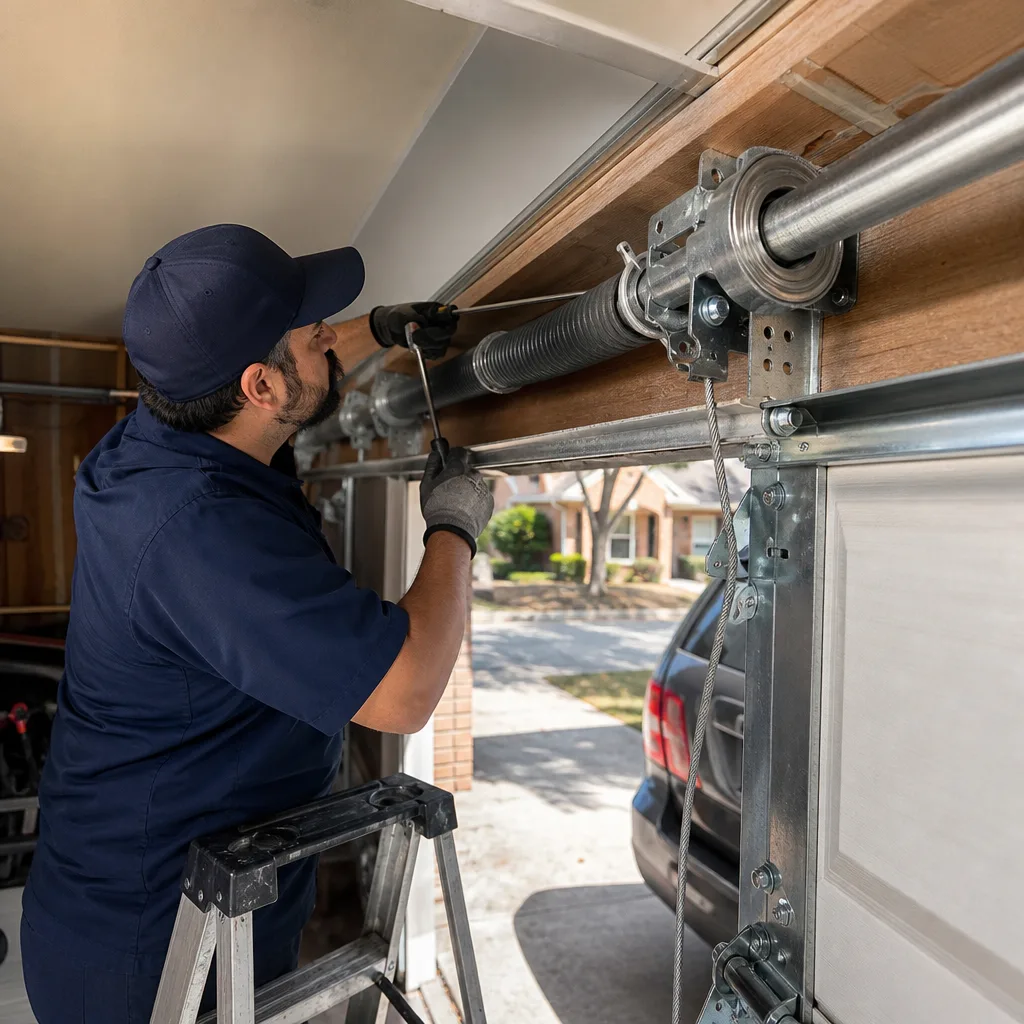
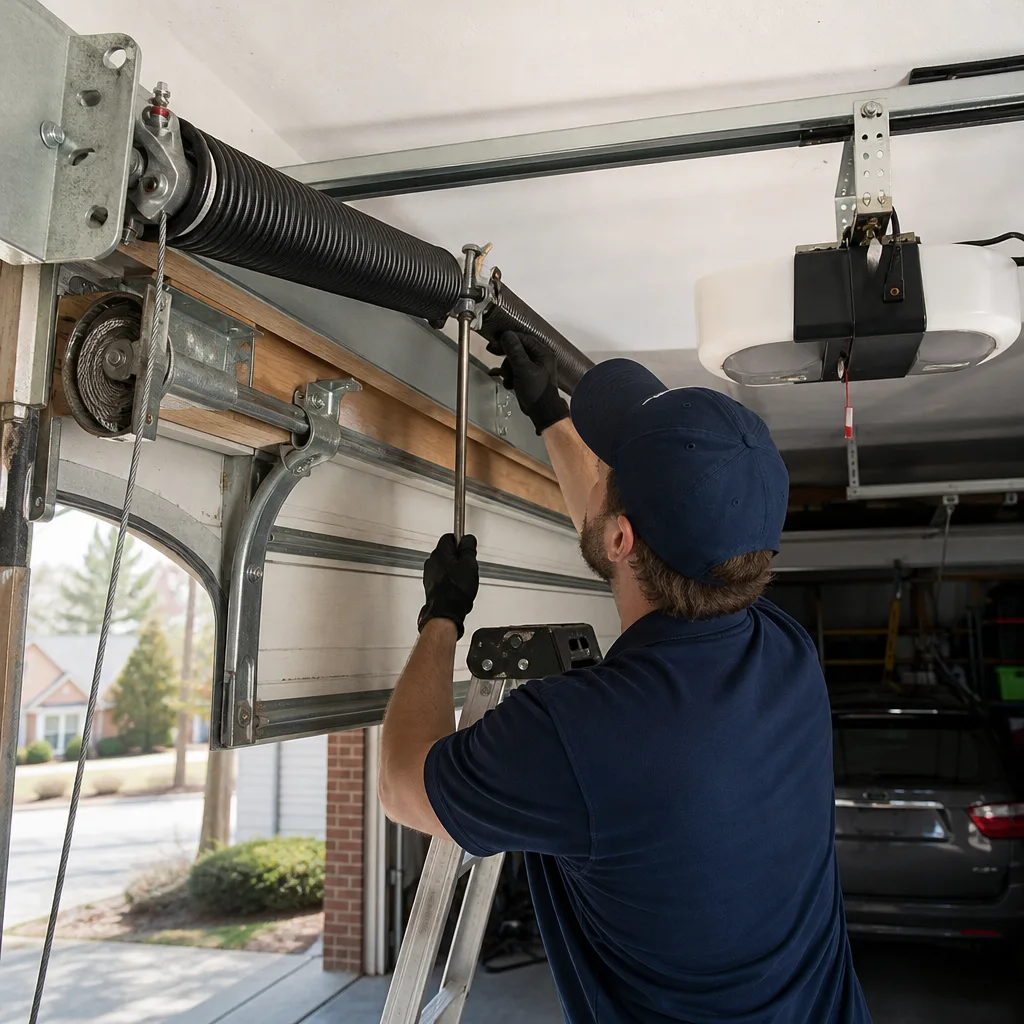
For most Atlanta homeowners, the torsion spring is the most important part of the garage door and the least understood. The torsion spring is the heavy coil mounted horizontally on a bar above the door, usually at the front wall of the garage. On a double door you’ll see two springs, one on each side of a center bearing plate. On a single door, usually one spring. The spring winds up when the door closes, storing the tension that lifts the door when you press the opener button. That tension is substantial. A wound torsion spring can hold 200 to 400 pounds of force.
You don’t need to know the physics to inspect the spring. You need to know what two failure indicators look like.
What a gap looks like: A torsion spring is made of coils that sit tightly together, with almost no space between them. When a spring starts to fail, the metal begins to fatigue and the coils separate. Look at the spring with a flashlight. A healthy spring looks like a solid metal bar made of rings pressed together. A failing spring shows visible gaps between the coils, often starting near the center or near one end. A gap the width of a penny is the early warning sign. A gap the width of a nickel means the spring has already failed structurally and needs to be replaced immediately. If you see a gap wider than that, stop using the door. The spring is holding load it can no longer support.
What a rust pattern looks like: Surface rust on a torsion spring looks like a fine orange dust, especially in humid Atlanta garages without climate control. Surface rust can be cleaned and does not necessarily mean the spring is failing. What you’re looking for is a rust line, a darker brown or red streak that runs along the coil in one specific spot, often where the spring rubs against itself or against the bearing plate. That rust line means the metal has been grinding and wearing in that spot. It’s the equivalent of a stress fracture. If you see it, the spring has lost integrity and needs to be replaced.
In our experience across Atlanta, most torsion spring failures are preventable with seasonal inspection. The average homeowner doesn’t look at their spring until it snaps. The whole point of this checklist is to catch the gap and the rust line weeks or months before the snap. A spring replacement caught early costs $150 to $280 and takes an hour. A spring that snaps while the door is open can drop the door, bend the track, and cost twice that to repair.
One more thing: never attempt to adjust, wind, or replace a torsion spring yourself. The tension in a wound spring is not something to experiment with. A spring that releases unexpectedly can cause serious injury. This is a job for a professional with the right winding bars and experience. When you’re doing your visual inspection, you’re looking, not touching.
Printable Checklist: Pass, Flag, or Call a Tech
Here’s the whole inspection routine in a format you can print and pin to the wall of your garage. Run through each item, mark it as Pass (works as expected), Flag (needs attention in the next few weeks), or Call a Tech (stop using the door and call a professional).
Every Six Weeks: The Quick Inspection
- Open door halfway and let go. Door holds position: Pass / Drifts more than a few inches: Flag / Falls or rises quickly: Call a Tech
- Watch a full open-close cycle. Smooth movement: Pass / Jerky movement: Flag / Door sticks or binds: Call a Tech
- Listen during the cycle. Quiet operation: Pass / Squeaking or grinding: Flag / Loud popping or banging: Call a Tech
- Check safety cables through torsion springs. Intact and straight: Pass / Slightly frayed: Flag / Broken or missing: Call a Tech
- Inspect door panels from inside. No visible damage: Pass / Small cracks or dents: Flag / Panels separating or warped: Call a Tech
- Run auto-reverse test with 2×4. Door reverses within two seconds: Pass / Door reverses slowly or hesitantly: Flag / Door crushes the board or doesn’t reverse: Call a Tech
Every Late September: The Deep Inspection
- Inspect torsion spring for coil gaps. No gaps visible: Pass / Gap the width of a penny: Flag / Gap the width of a nickel or larger: Call a Tech
- Inspect torsion spring for rust lines. No rust or only surface dust: Pass / Light surface rust: Flag / Dark red or brown rust streak: Call a Tech
- Check all hinge plates and bolts. Everything tight: Pass / Slight wobble when pushed: Flag / Track loose from wall: Call a Tech
- Test door balance on a cold morning. Door holds at halfway when cold: Pass / Door drifts slightly when cold: Flag / Door feels heavy or sags when cold: Call a Tech
- Inspect weatherstrip around all edges. Flexible and intact: Pass / Slightly cracked but still sealing: Flag / Gaps visible or strip pulling away: Call a Tech
- Lubricate all moving parts. Lubrication applied smoothly: Pass / Lubrication needed but done this cycle: Pass / Surfaces still look dry after application: Flag
Keep this guide in your garage. The goal isn’t to do everything yourself. It’s to know the difference between a maintenance task you can handle and a repair that needs a professional before the door fails in the middle of a January night.
Common Mistakes to Avoid
- Lubricating the track. It’s the most common piece of garage door advice on the internet, and it’s wrong. The track doesn’t need lubrication. Oil on the track attracts Atlanta clay dust and creates a grinding paste that wears down rollers faster. Wipe the track clean and leave it dry.
- Ignoring a squeaking door. A squeak is never just a noise. It’s metal rubbing on metal without lubrication, which means wear is happening every time the door moves. What starts as a dry roller becomes a shattered bearing six months later.
- Treating the spring as a lifetime part. Torsion springs are consumable, like brake pads or tires. They wear out based on cycles, not years. In Atlanta, a standard spring on a busy garage can fail in five or six years without maintenance. An annual visual inspection is the only way to see it coming.
- Doing the halfway balance test after the garage has warmed up. The balance test gives meaningful data when the door and springs are cold. Warm springs are more flexible and will mask the early stages of fatigue. Test first thing in the morning, especially from October through March.
- Replacing the opener when the door is actually the problem. We see this often: a homeowner buys a new opener thinking the motor is weak, but the real issue is worn springs that can no longer lift the door’s weight. A new opener on worn springs still won’t lift the door. Replace springs when they fail, not the opener.
- Putting off the auto-reverse test because it’s been fine before. The auto-reverse mechanism is a safety device, and safety devices fail silently. You won’t know it’s not working until the door tries to close on something. Thirty seconds every month is a small cost for the alternative.
- Calling a handyman for spring work. Torsion spring replacement requires specific winding bars and enough experience to know how to handle the tension safely. A handyman might get the door working, but if the spring isn’t wound correctly, it will fail early or dangerously. This is one repair where garage door spring repair in Atlanta is worth the professional’s price. We carry springs for Amarr, Wayne Dalton, and Raynor systems on the truck, so the fix happens in one visit.
When to Call a Professional
Some things on this list are clearly DIY: lubricating hinges, cleaning photo-eye lenses, running the balance test. Some things are clearly not: anything involving the torsion spring, the lift cables, or a door that has come off its track. The line between those categories matters because the danger of a spring under tension is real and not something a homeowner should learn about by accident. If your door fails the auto-reverse test, if you see a gap in the torsion spring, if the safety cable is broken, or if the door is binding and jumping on the track, stop using the door and call a professional. Garage door repair in Atlanta is a same-day service for exactly these situations.
Bramwell Garage Doors Atlanta offers free estimates throughout the metro area. Call (229) 792-2327 and a live person answers, 24/7. We’ll give you a written price before any work starts, so you know the number before you agree to it.
Frequently Asked Questions
Run the six-week quick inspection every six to eight weeks year-round, and add the deep inspection in late September before Atlanta’s shoulder season temperature swings begin. That rhythm catches most failures before they become emergencies. If your garage faces direct afternoon sun, inspect more often during summer, since heat accelerates spring fatigue.
Basic lubrication and visual inspection costs $90 to $150 for a service call. Torsion spring replacement within the inspection runs $150 to $280. New opener installation runs $200 to $500. The cost of skipping maintenance is higher: an emergency spring replacement on a weekend can run $350 to $500 with dispatch fees. Call (229) 792-2327 for a free estimate.
A standard 10,000-cycle torsion spring lasts seven to ten years under light use in a moderate climate. In Atlanta, our heat and humidity typically cut that by twenty to thirty percent, so five to seven years is more realistic for a door opened twice a day. High-cycle springs rated at 25,000 cycles last proportionally longer, and they’re worth the upgrade if you plan to stay in the home.
A loud bang on closing usually means the door is out of balance and slamming down under its own weight. The springs are supposed to control the descent. If they’ve lost tension, gravity takes over. Stop using the door and call a professional to inspect the springs. Bramwell Garage Doors Atlanta’s home page has our service area and contact details.
No. Torsion springs hold enough tension to cause serious injury or death if released incorrectly. The winding bars and technique required are specific to the job. A professional with the right equipment can do it safely in under an hour. The cost of professional garage door spring repair in Atlanta is far less than the medical bill from doing it wrong.
Belt-drive openers are the quietest and best-suited for garages under or next to bedrooms, which is common in Atlanta’s older bungalow neighborhoods. If your opener predates 1993 and lacks auto-reverse, replace it regardless of brand. We service LiftMaster, Chamberlain, Genie, Craftsman, and other major brands. Garage door installation in Atlanta includes opener replacement if yours needs it.
Every repair from Bramwell Garage Doors Atlanta includes the 365-Day Done Right Promise in writing. If the repair fails within a year, we come back and fix it at no charge. That’s not a verbal promise. The Kingswell standard has applied to every job since 2001, and the guarantee is in writing on every invoice. Call (229) 792-2327 and ask the tech about the Kingswell Guarantee when they arrive.
The Bottom Line
Atlanta doesn’t have a single garage door season; it has damage windows. The two that matter are the weeks after summer heat peaks and the first cold snap in November. Between those windows, the routine is simple: inspect every six weeks, lubricate twice a year, test the auto-reverse monthly, and look at the torsion spring with a flashlight in late September. If you see a gap or a rust line, stop using the door and call a professional. If you do nothing else this year, run the auto-reverse test and do the halfway balance test on a cold morning. Those two tests catch most of the failures that turn into expensive emergencies. For everything else, there’s a written price and a written guarantee from Bramwell Garage Doors Atlanta. Call (229) 792-2327 and a live person answers.
Written by Marcus Ellery, Owner at Bramwell Garage Doors Atlanta, serving Atlanta since 2001.
See the difference
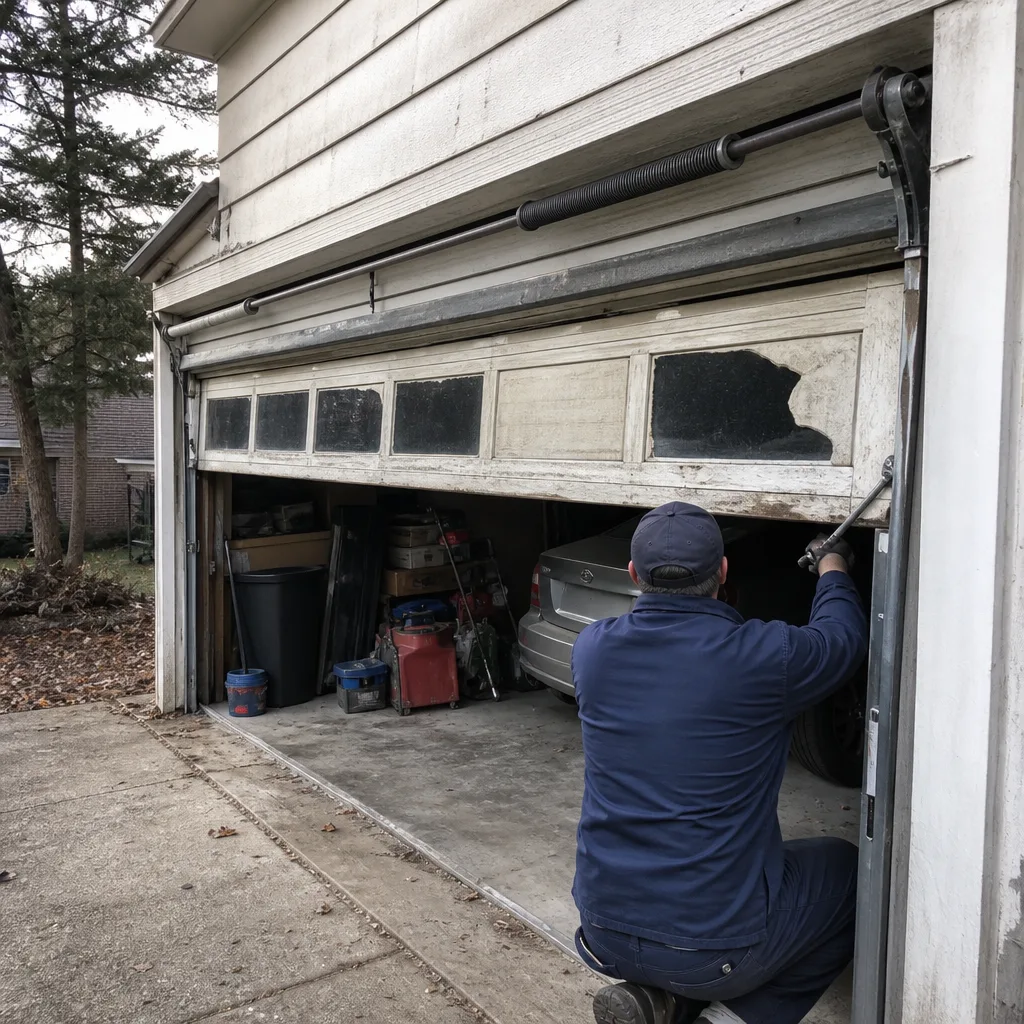 Before
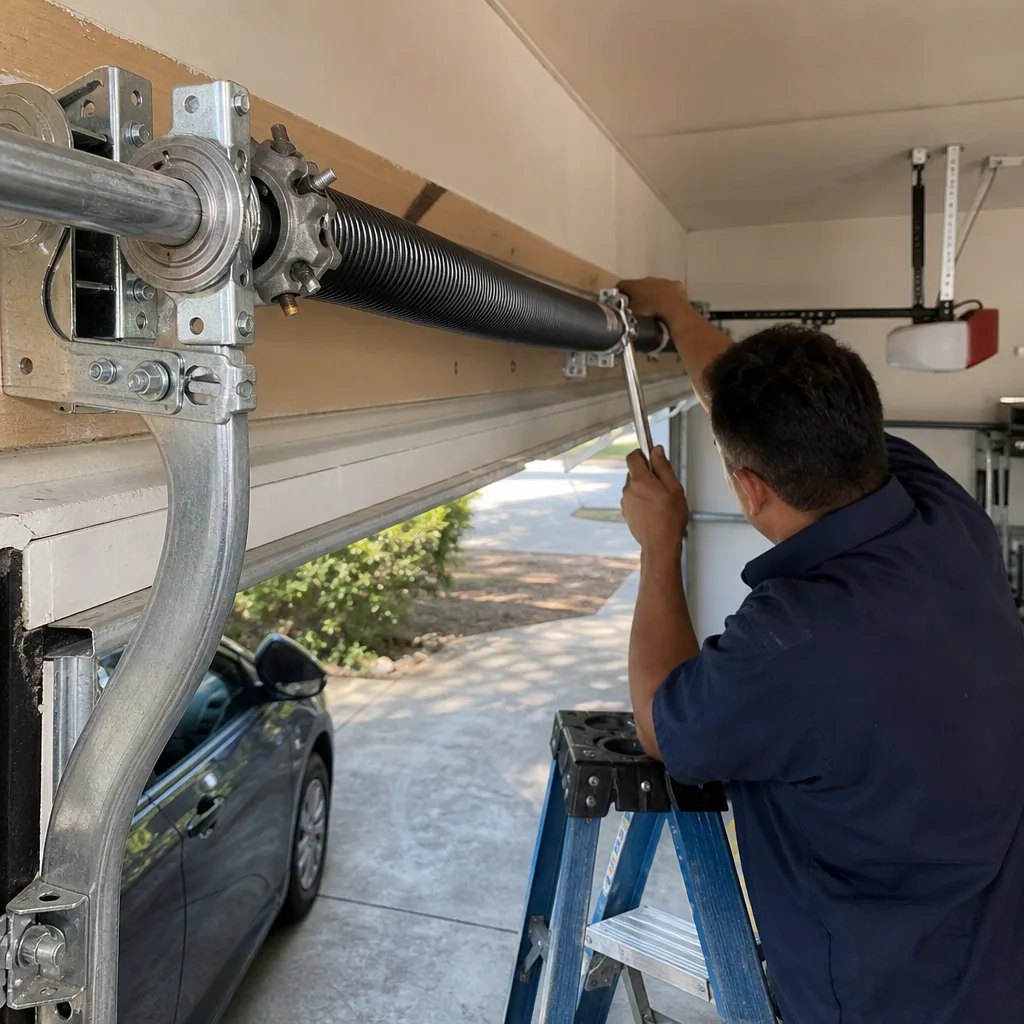 After
After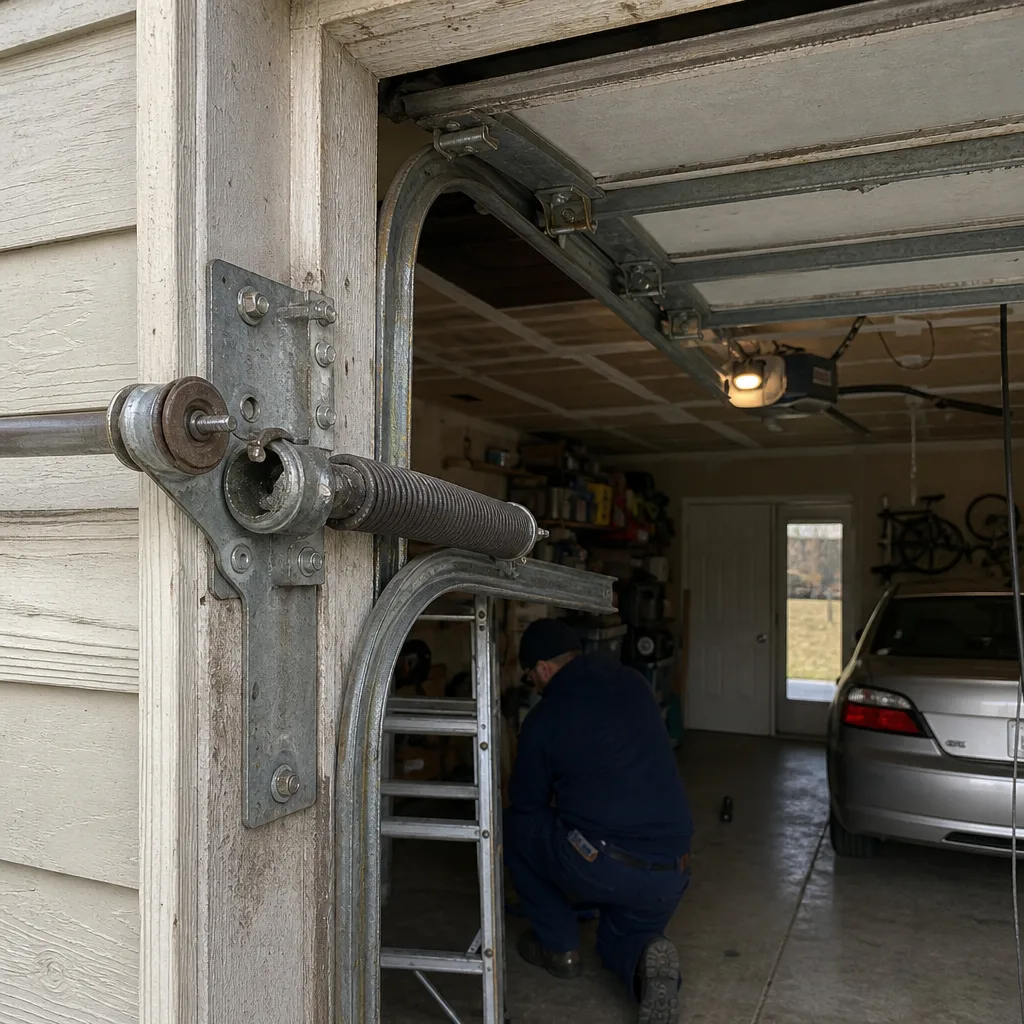 Before
 After
After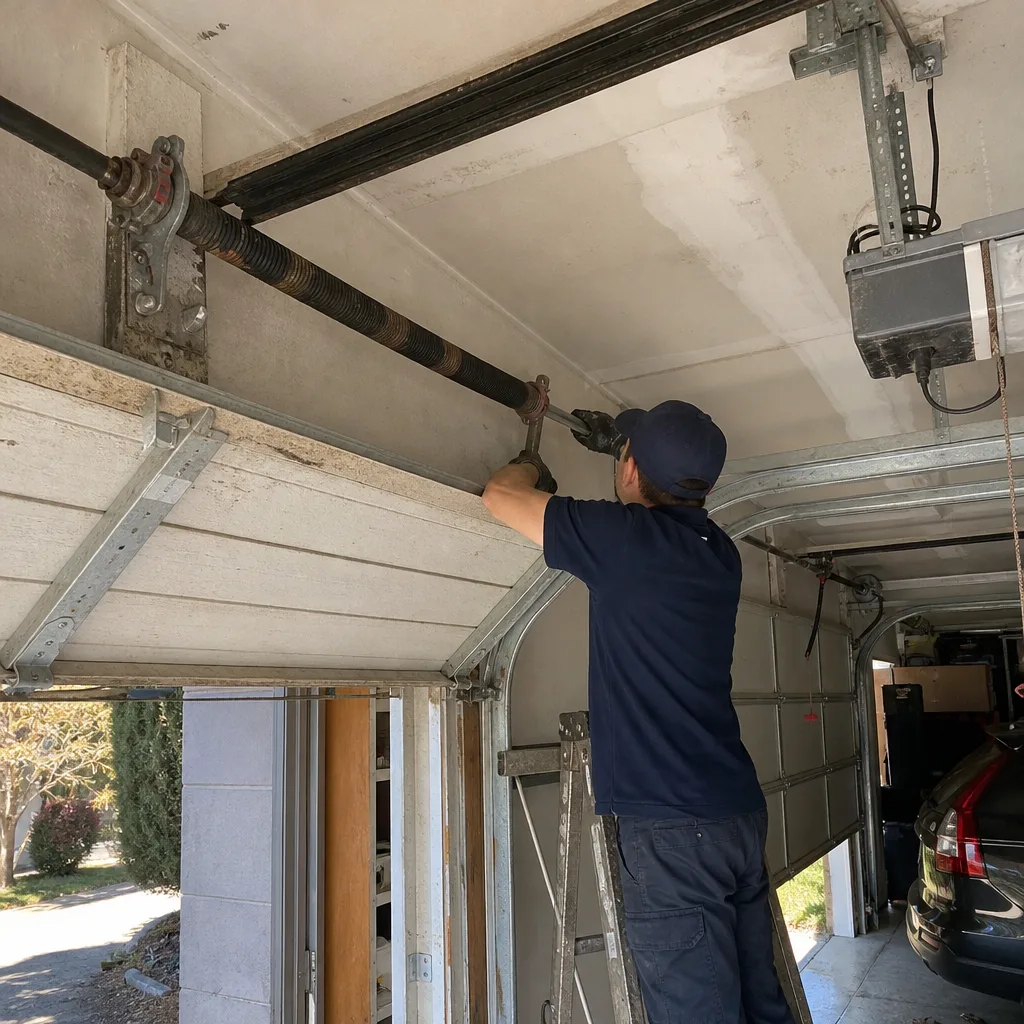 Before
 After
After